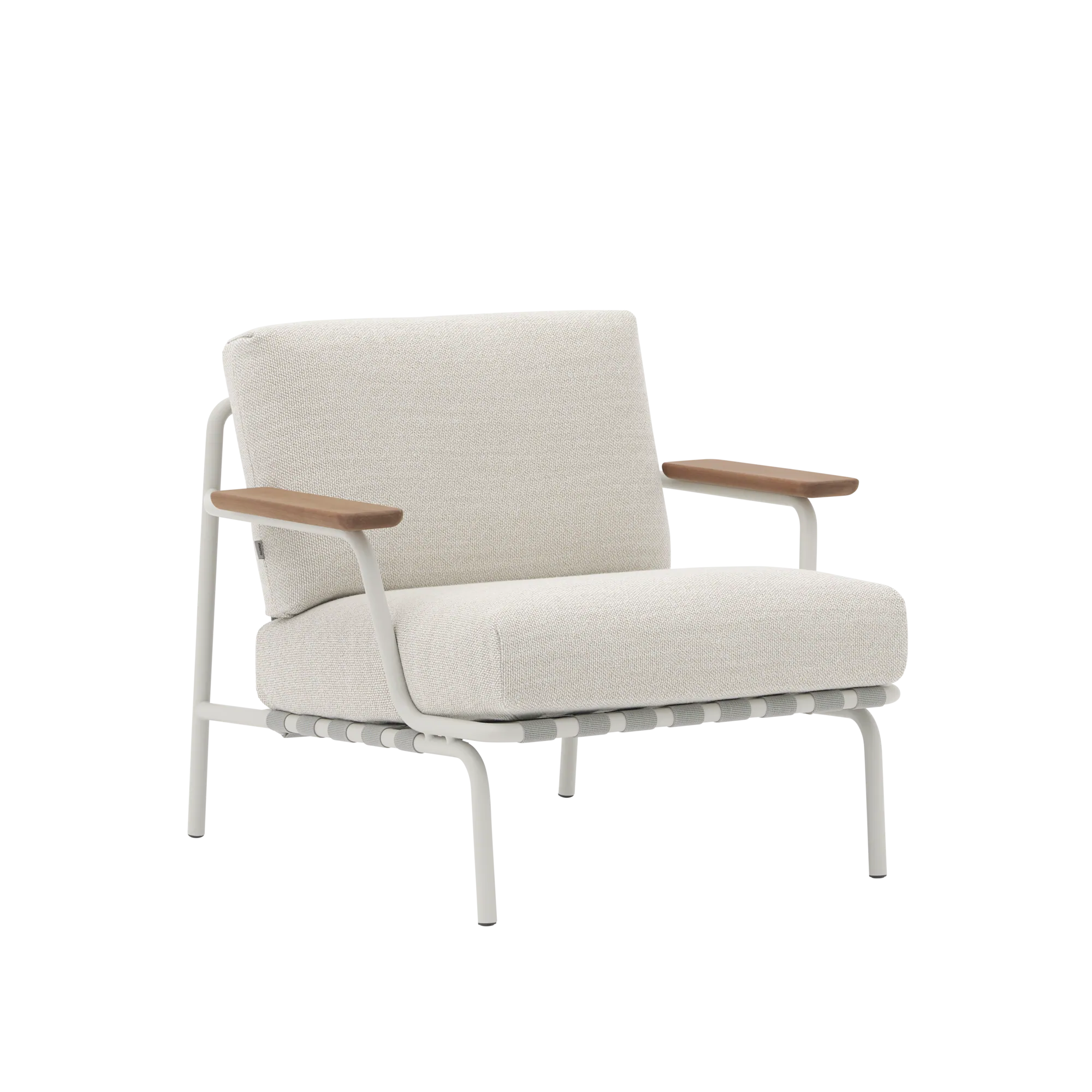
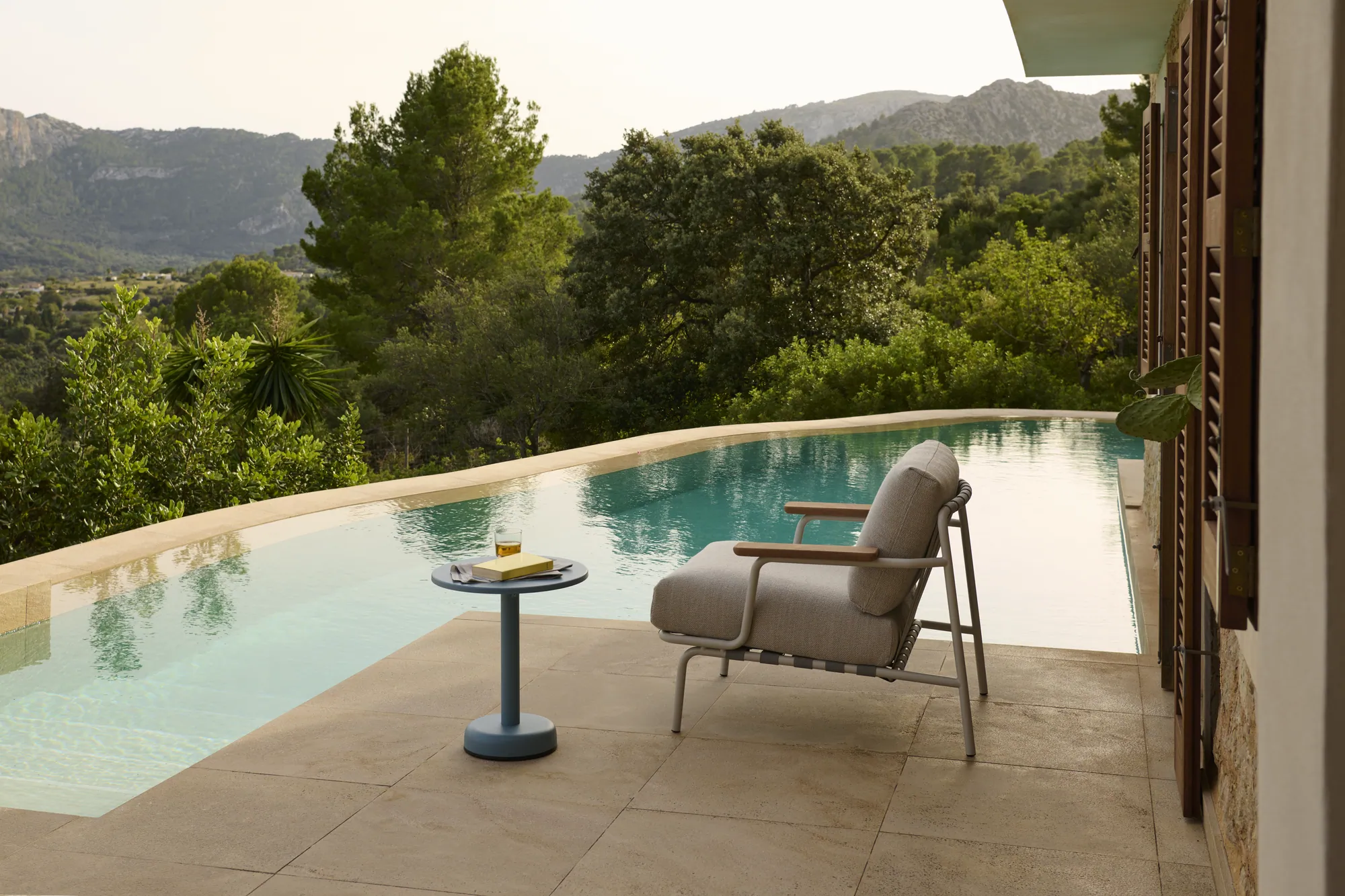
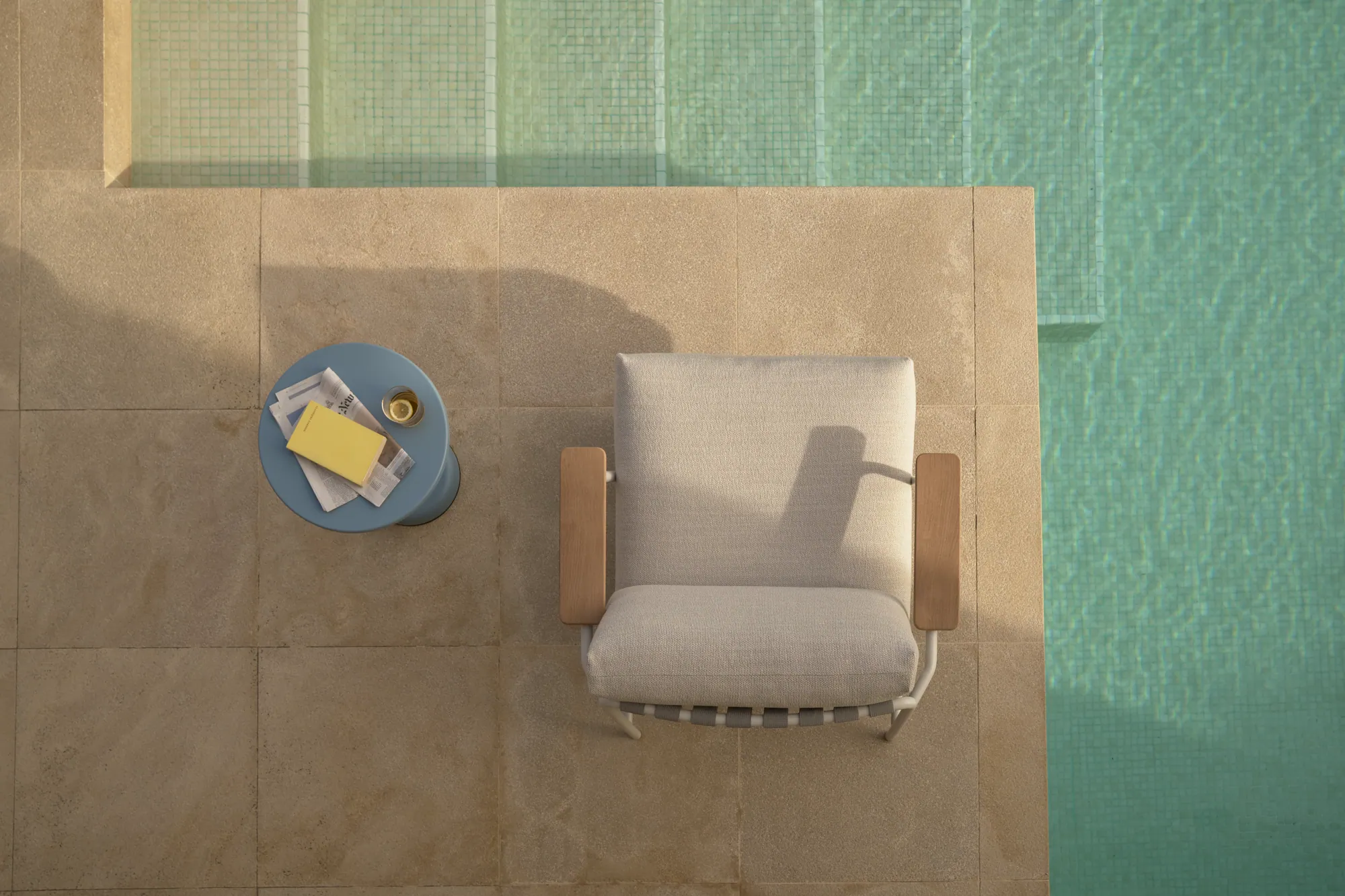
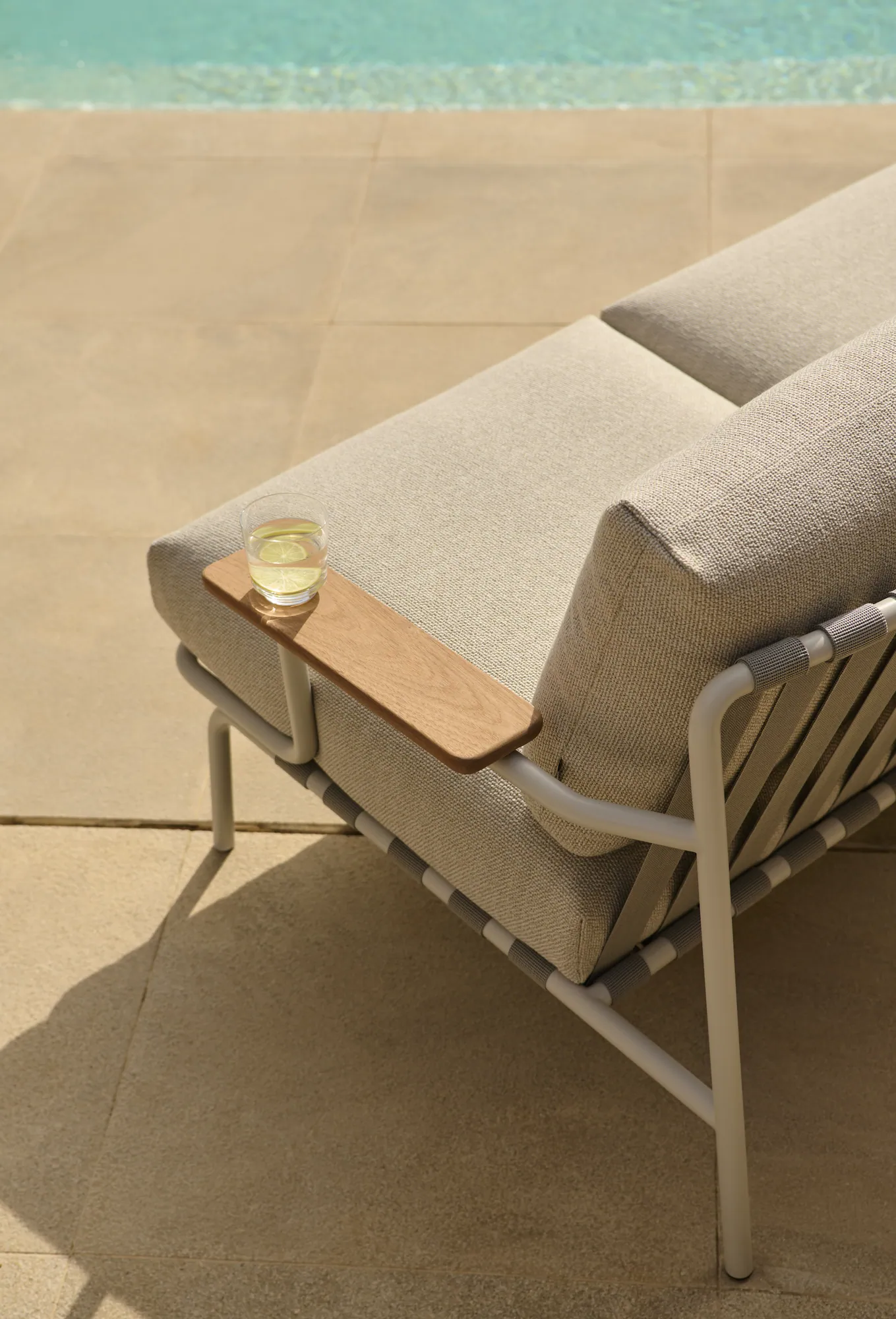
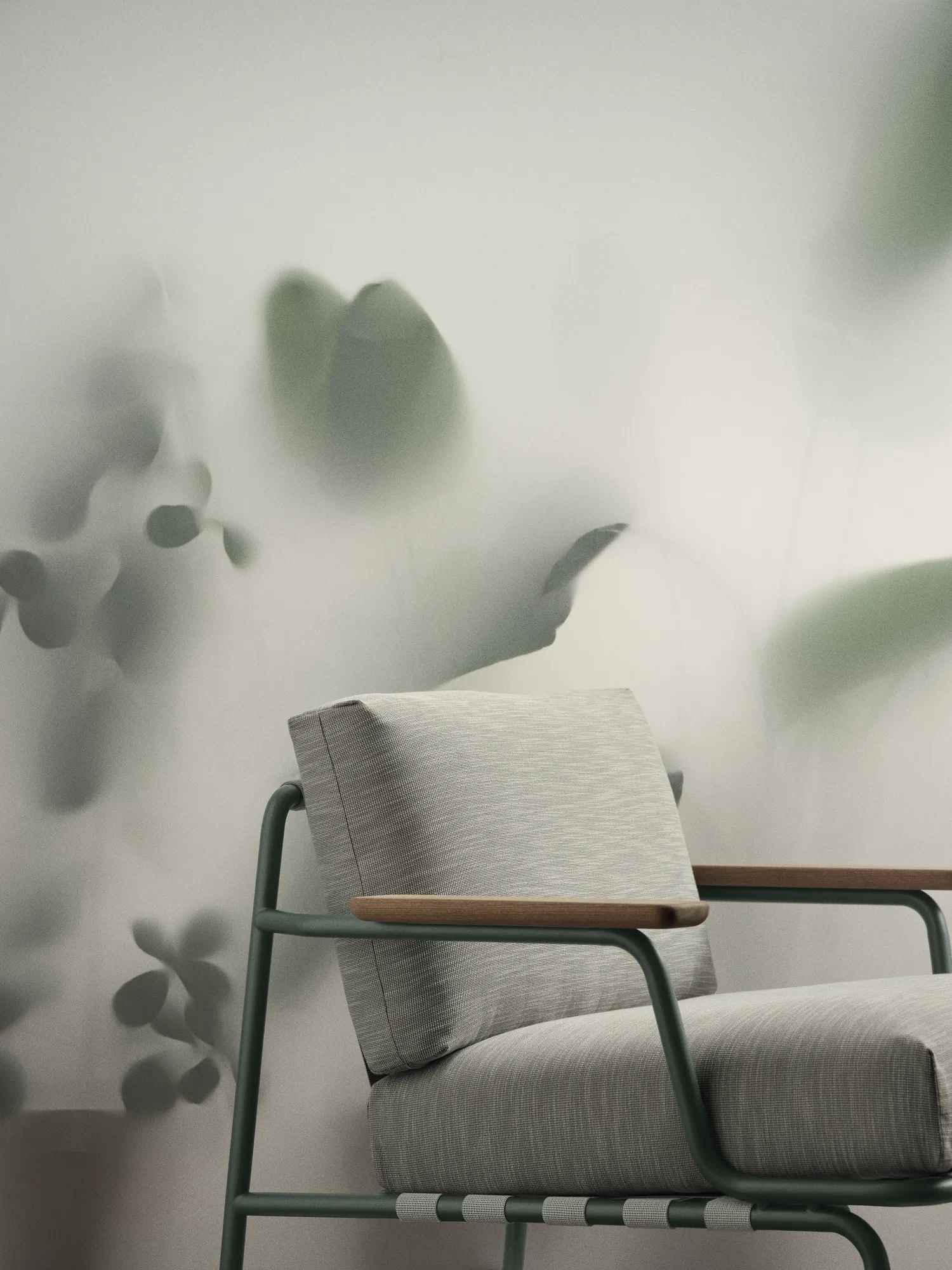
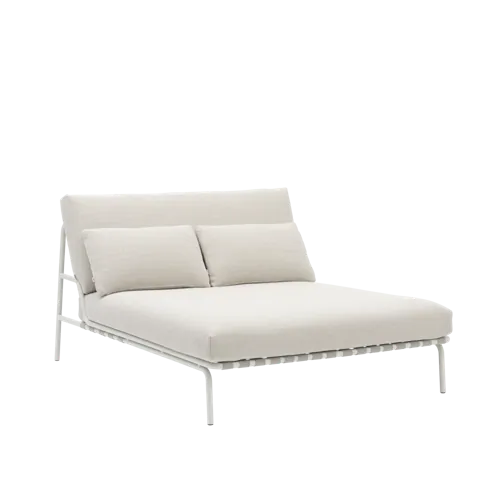
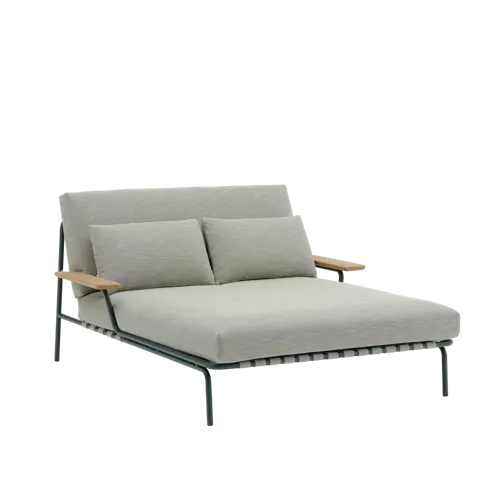
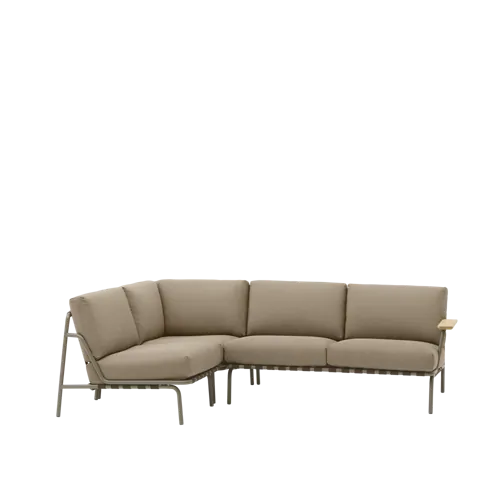
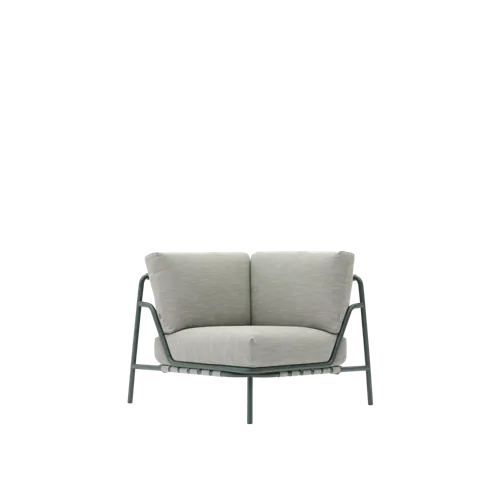
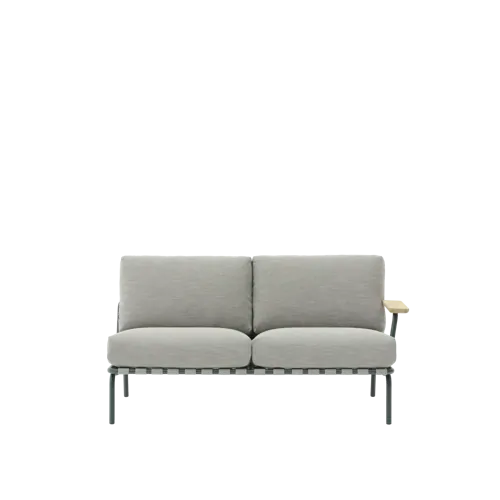
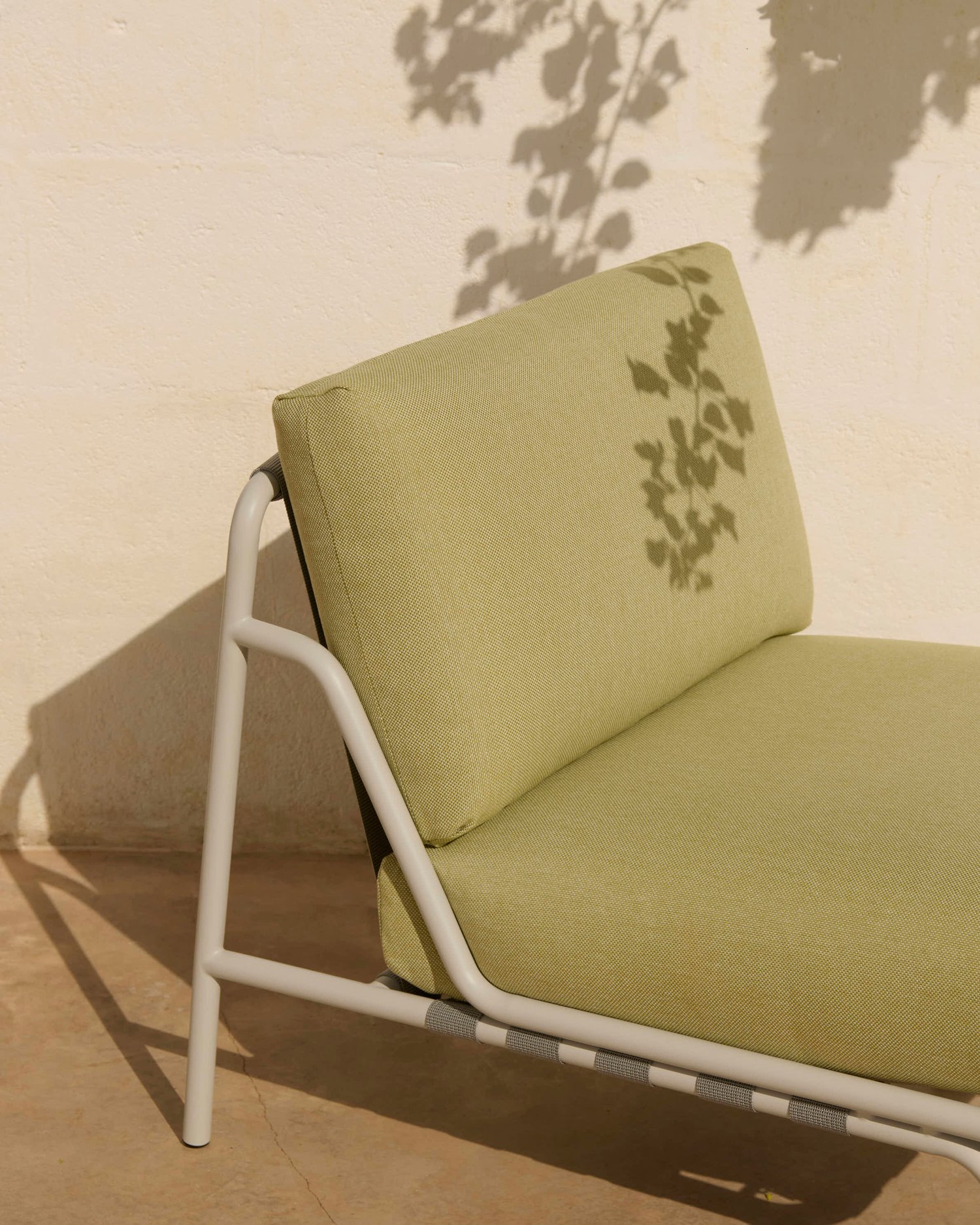
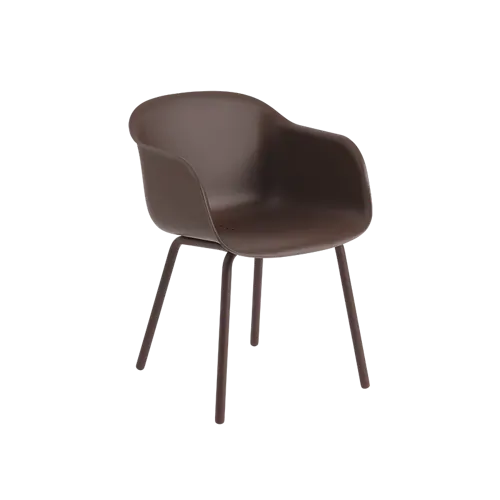
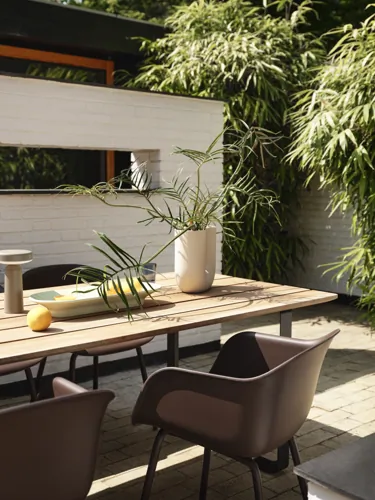
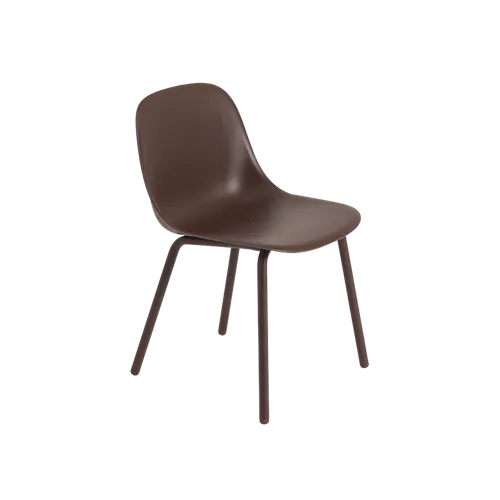
Textile – General Maintenance: For stains, non-greasy marks should be gently dabbed with a lint-free cloth or sponge wrung out in clean, warm water. If needed, a mild solution of dish soap and water may be used, followed by dabbing with clean water.
Textile – Stain treatment: Stains should be treated promptly, as older stains are more difficult to remove. Professional furniture cleaning is recommended for set-in stains. Any treatment method should be tested on a concealed area before use. Several light applications are recommended rather than one concentrated treatment, and the process may be repeated if necessary.
Heat should never be applied, as it may set the stain, and bleach-containing products should be avoided, as they can cause discoloration. The fabric should not be over-saturated, and water should not be allowed to pool in the seams. Excess moisture should be absorbed immediately.
For oil- or water-based stains, a clean, soft white cloth, natural sponge, or nylon soft-bristle brush should be used with a water-free dry-cleaning solvent. Brushing should be carried out with light, quick strokes from the outer edge toward the center, taking care not to scrub.
For insoluble stains—such as chewing gum or candle wax—a plastic bag filled with ice should be applied until the material becomes brittle, then carefully lifted with a clean, dull, flat knife.
Extra care should be taken with dark textiles to avoid visible light marks from color transfer. Excessive rubbing should be avoided, and the textile should be allowed to dry thoroughly before vacuuming or reuse.
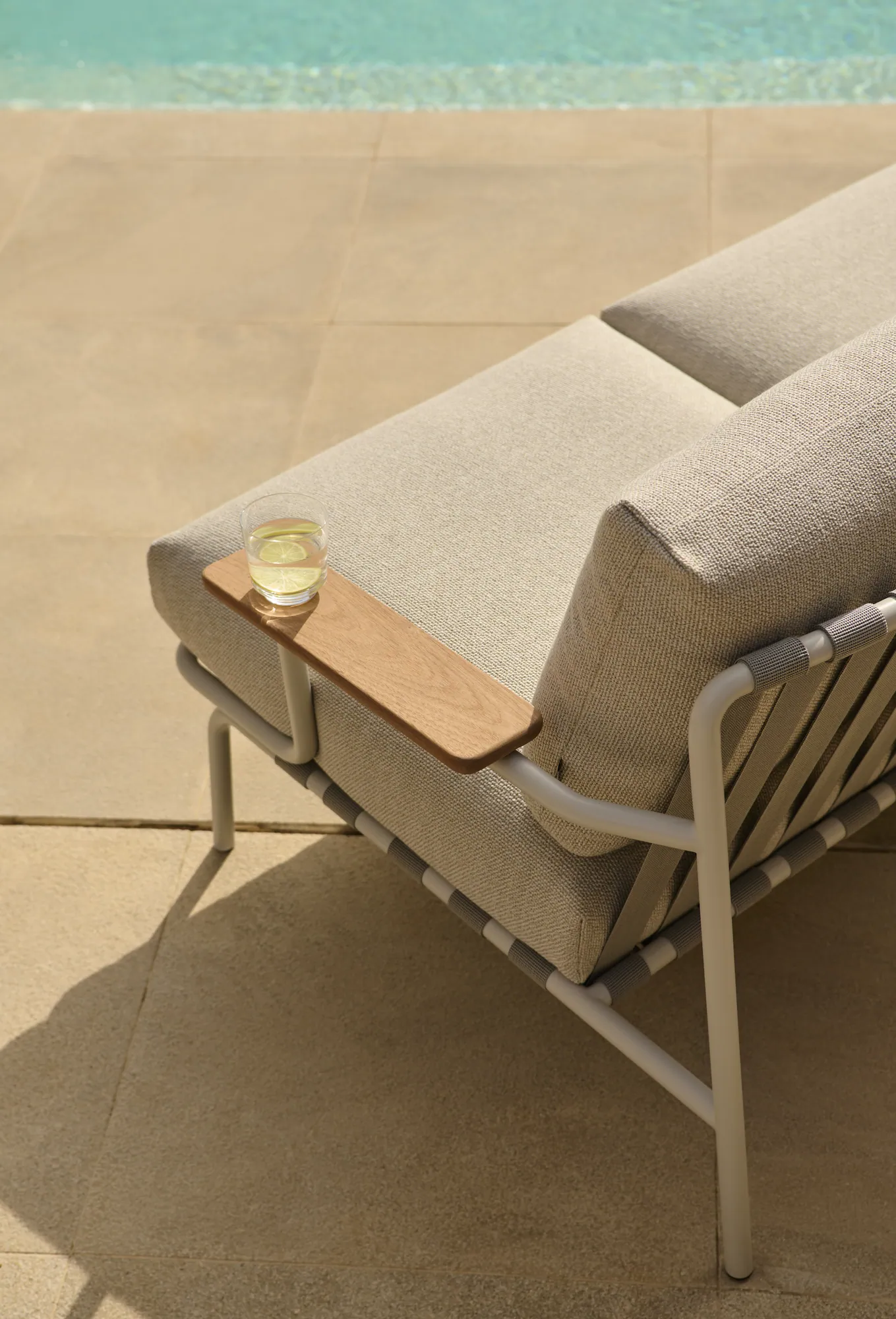
Powder-coated surfaces: The surface should be cleaned with a cloth dampened with water. If needed, a mild detergent or dish soap may be used. Concentrated and abrasive cleaning agents should be avoided, as these may damage the finish. Any liquids, grease, or residues should be removed immediately to reduce the risk of stains and marks. Surfaces should always be wiped dry with a clean cloth afterward. In line with ECDC guidelines, powder-coated surfaces can tolerate regular disinfection using 70% ethanol. Care should be taken to avoid impacts from hard objects, as
lacquered surfaces may scratch or chip.
Covers: A protective cover is recommended to shield the furniture from prolonged weather exposure, particularly during the winter months. Before the cover is applied, it must be ensured that both the furniture and the interior of the cover are completely dry.