${ product.name }
${ product.typeTitle }
Item no ${ product.sku }
- ${ setting }
- ${ product.variantName}
Studio Visit — Thomas Bentzen
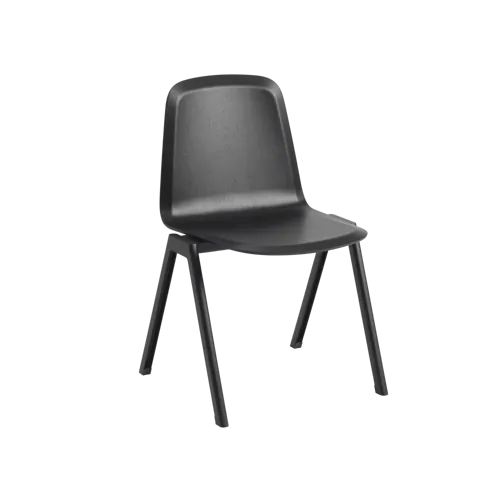
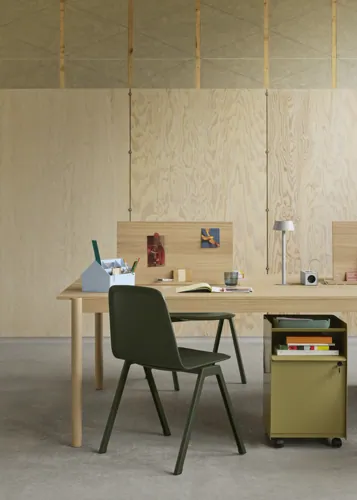
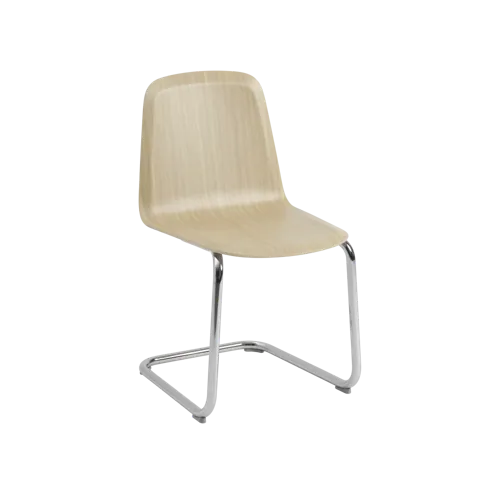
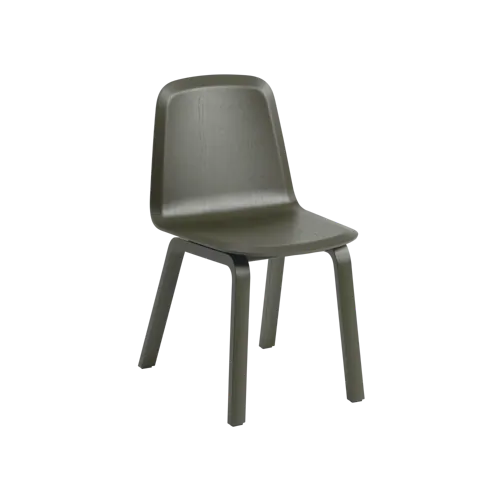
With Brink Chair, designer Thomas Bentzen explores how far plywood can be pushed. Defined by a thin, flexible shell and a distinctive folded edge, the chair combines lightness with the strength required for demanding use. Reaching that point took countless iterations, with every curve, layer, and transition refined to use as little material as possible while maintaining comfort and durability. At the same time, its stackability is built directly into the form, bringing together performance, practicality and a clear visual identity.
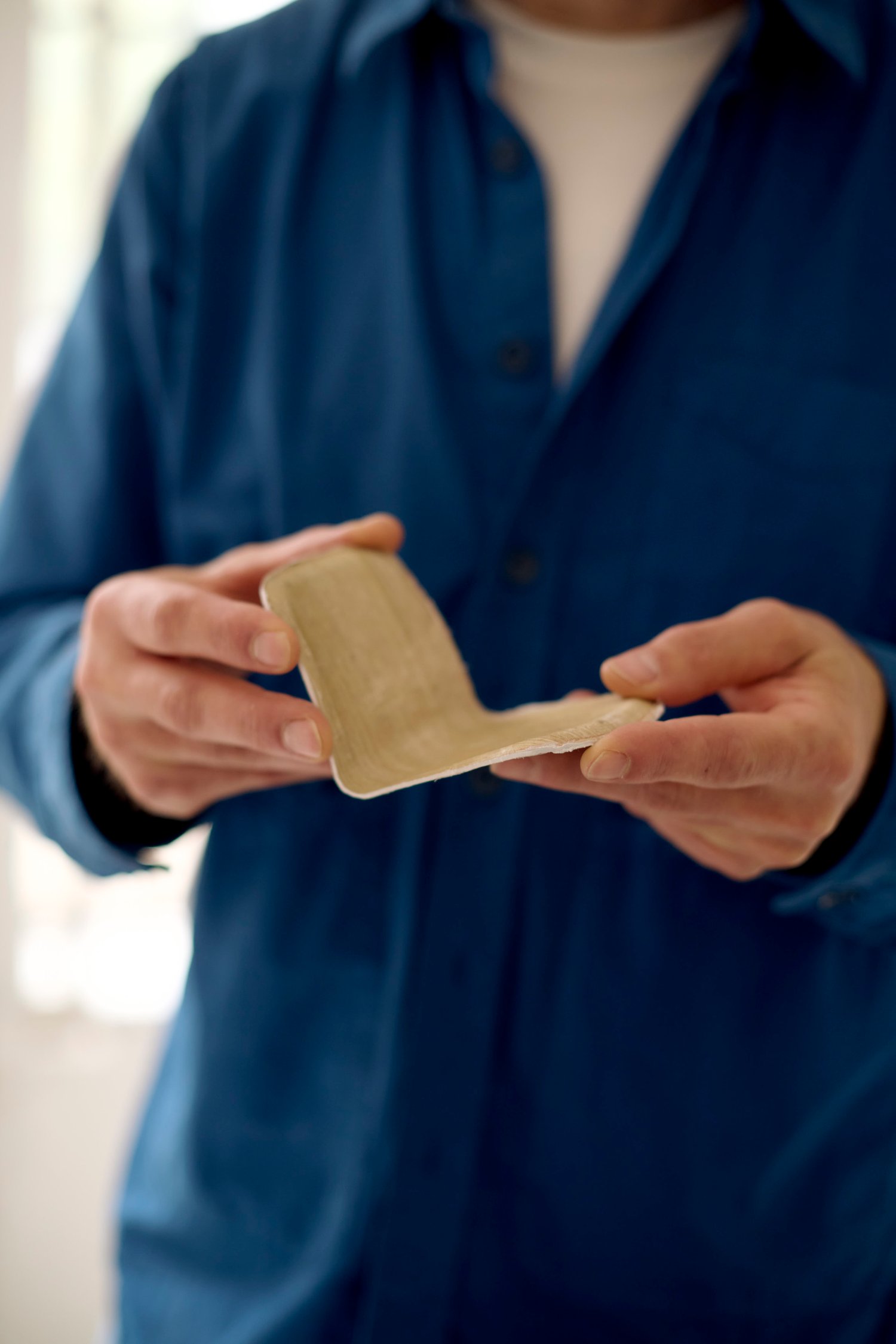
“When you do a mono-shell, it’s one of the most explored things in the furniture world,” Bentzen says. For Brink Chair, the answer was not to add more, but to refine more. Bentzen focused on the possibilities within the plywood itself, working with its natural properties to create a shell that could remain visually light while becoming exceptionally strong.
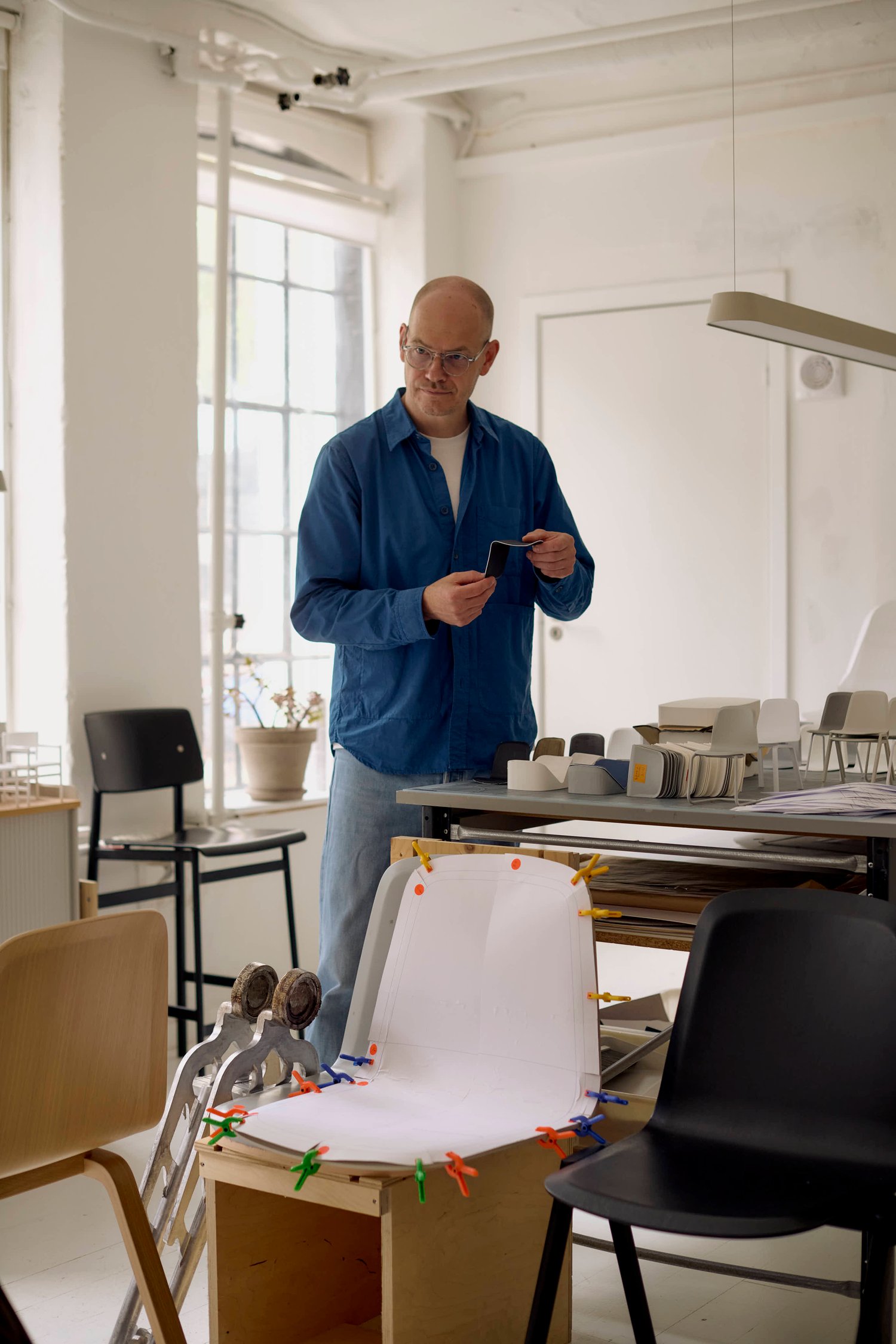
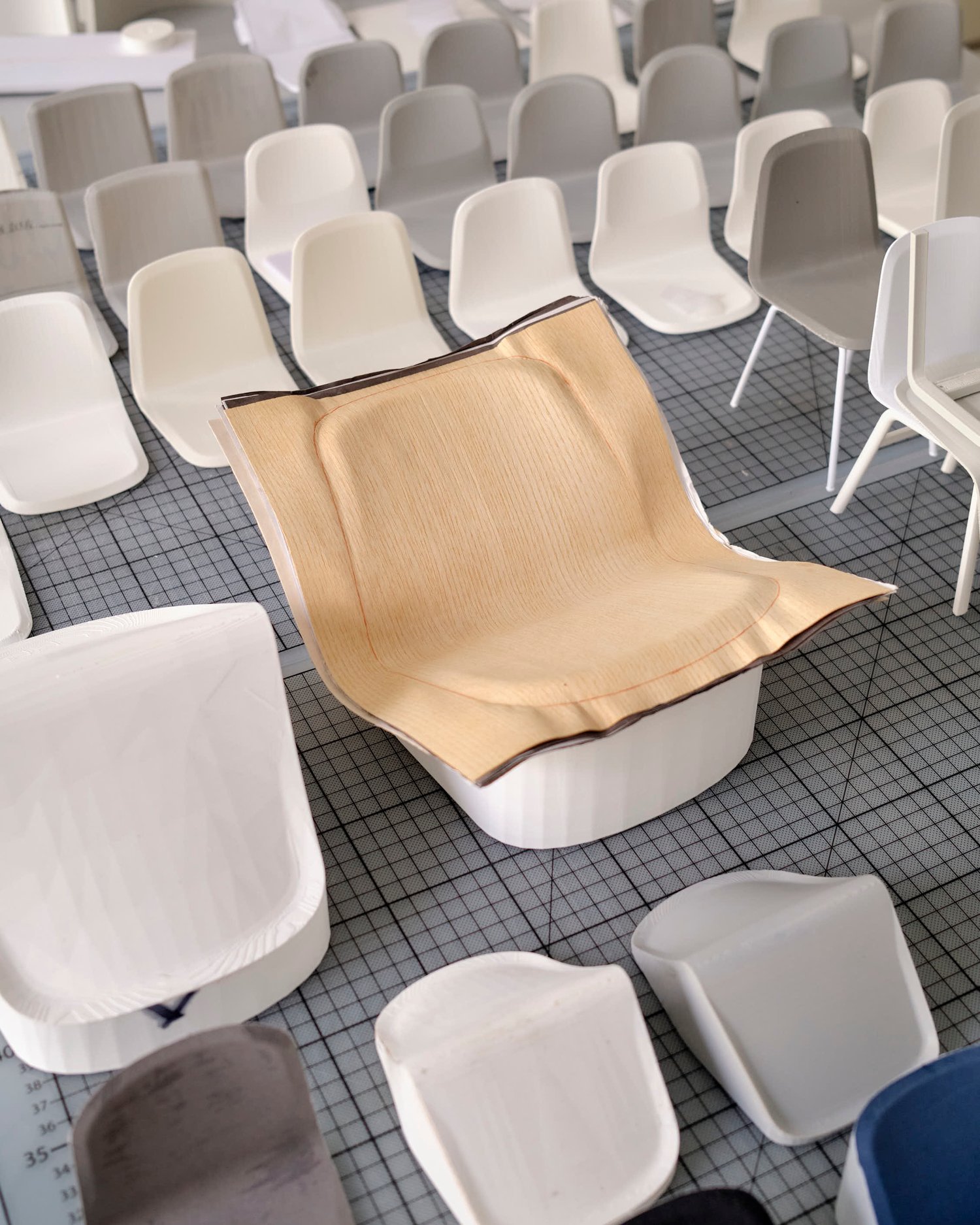
The chair’s defining folds emerged from that process. Relatively flat through the center and softer towards the edges, the shell has been shaped around both the body and the structural demands placed upon it. In Bentzen’s studio, the development unfolded through hundreds of small paper models. Folding, cutting, and testing allowed him to understand where the material could move and how its strength could be increased before translating the form into molded plywood.
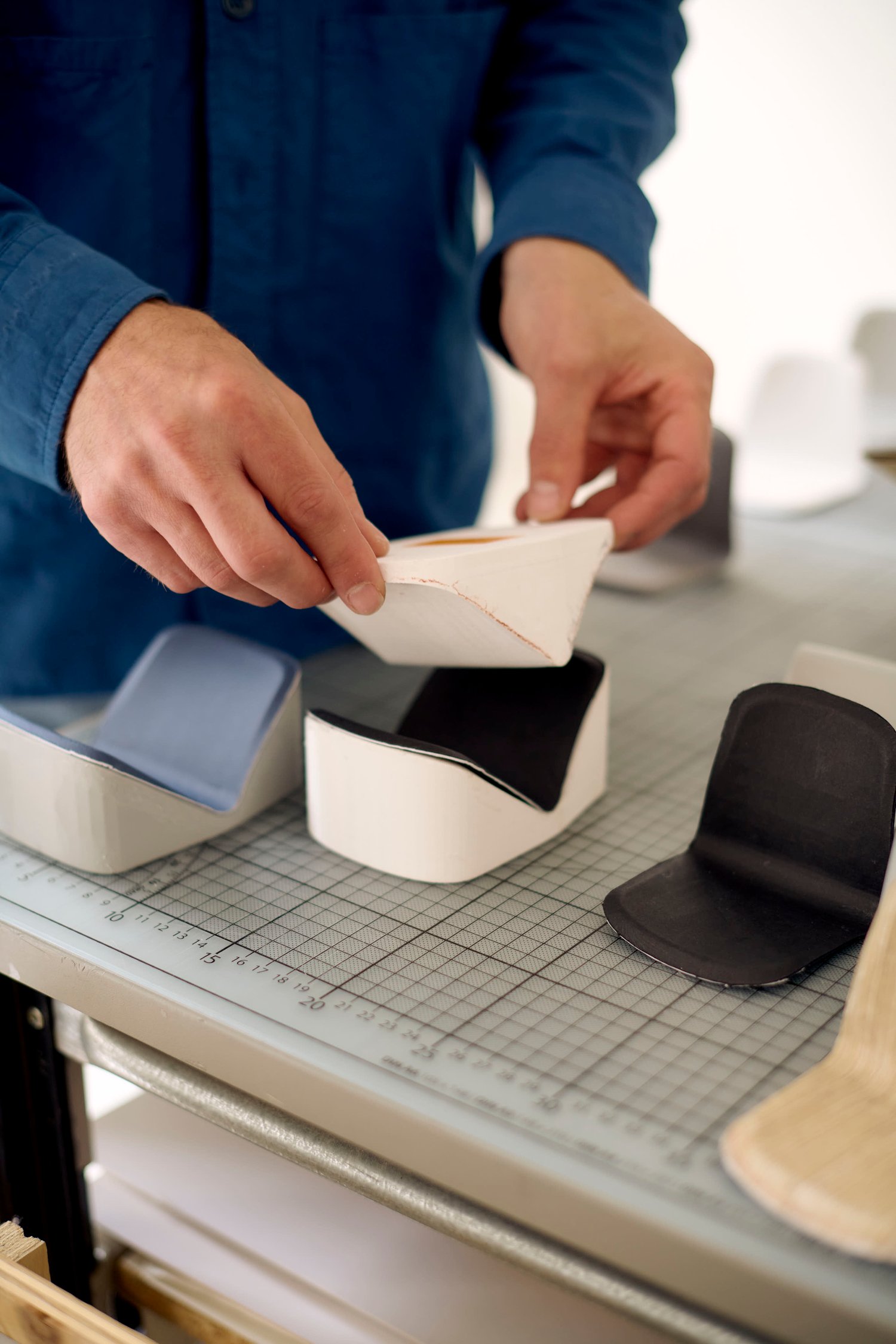
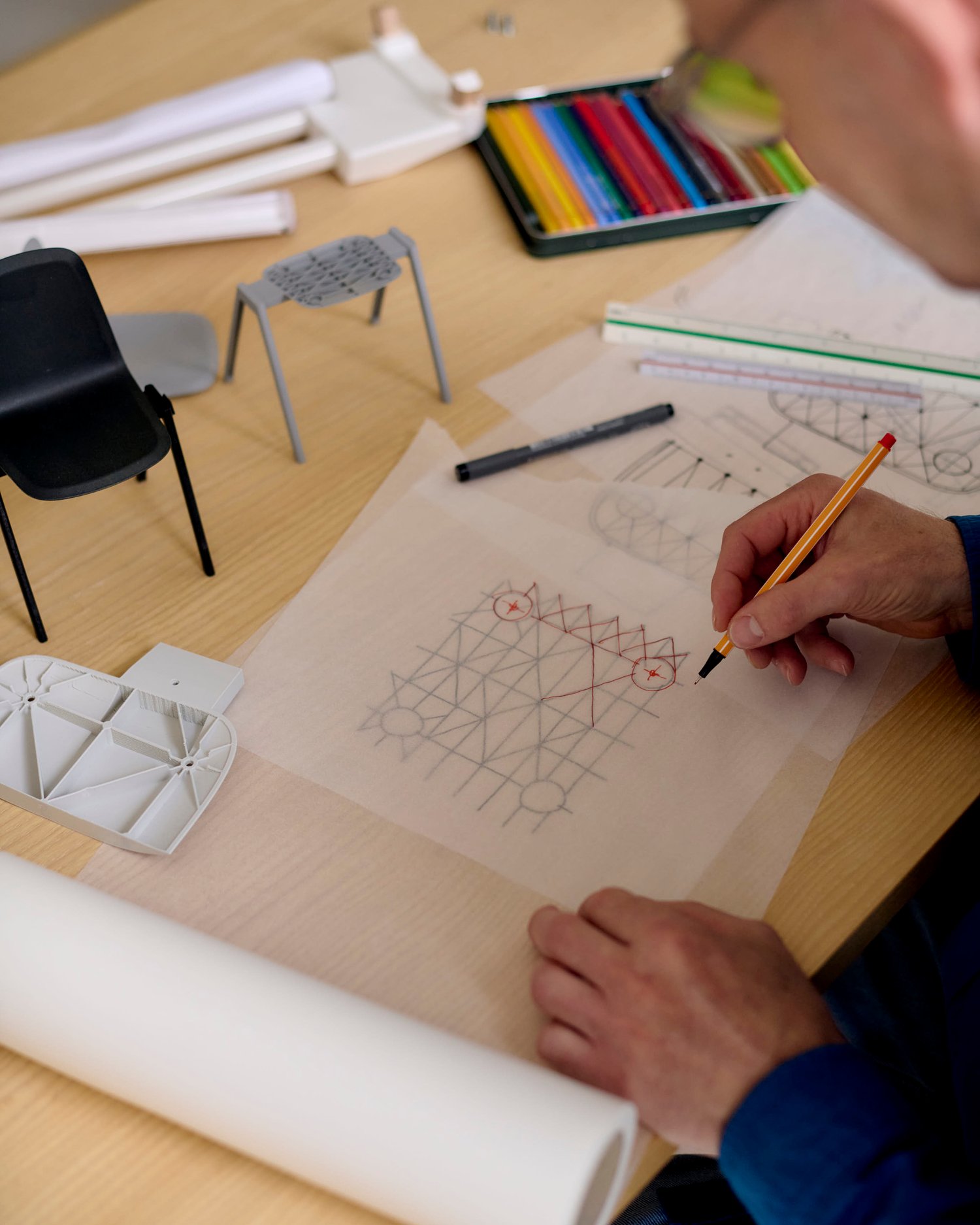
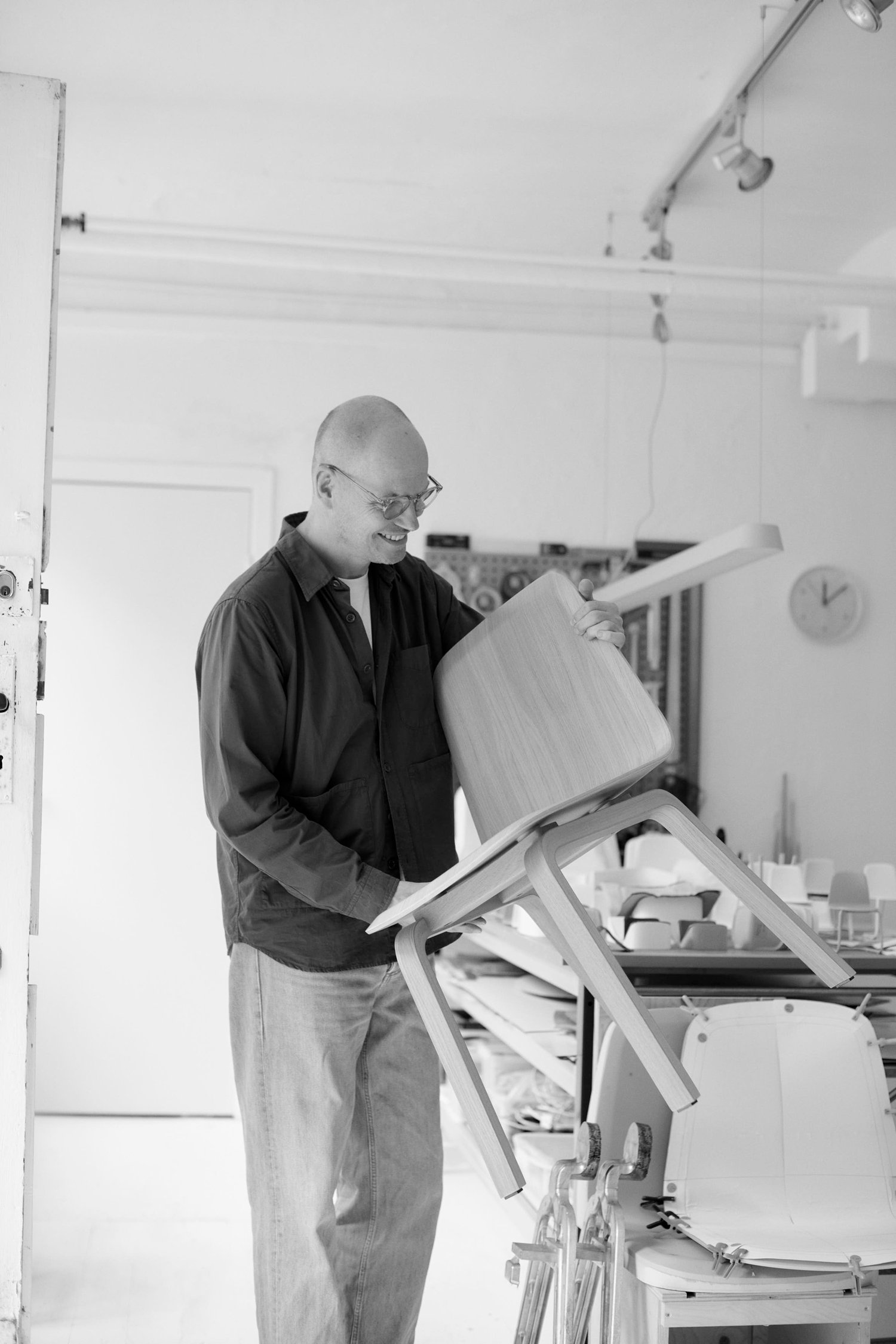
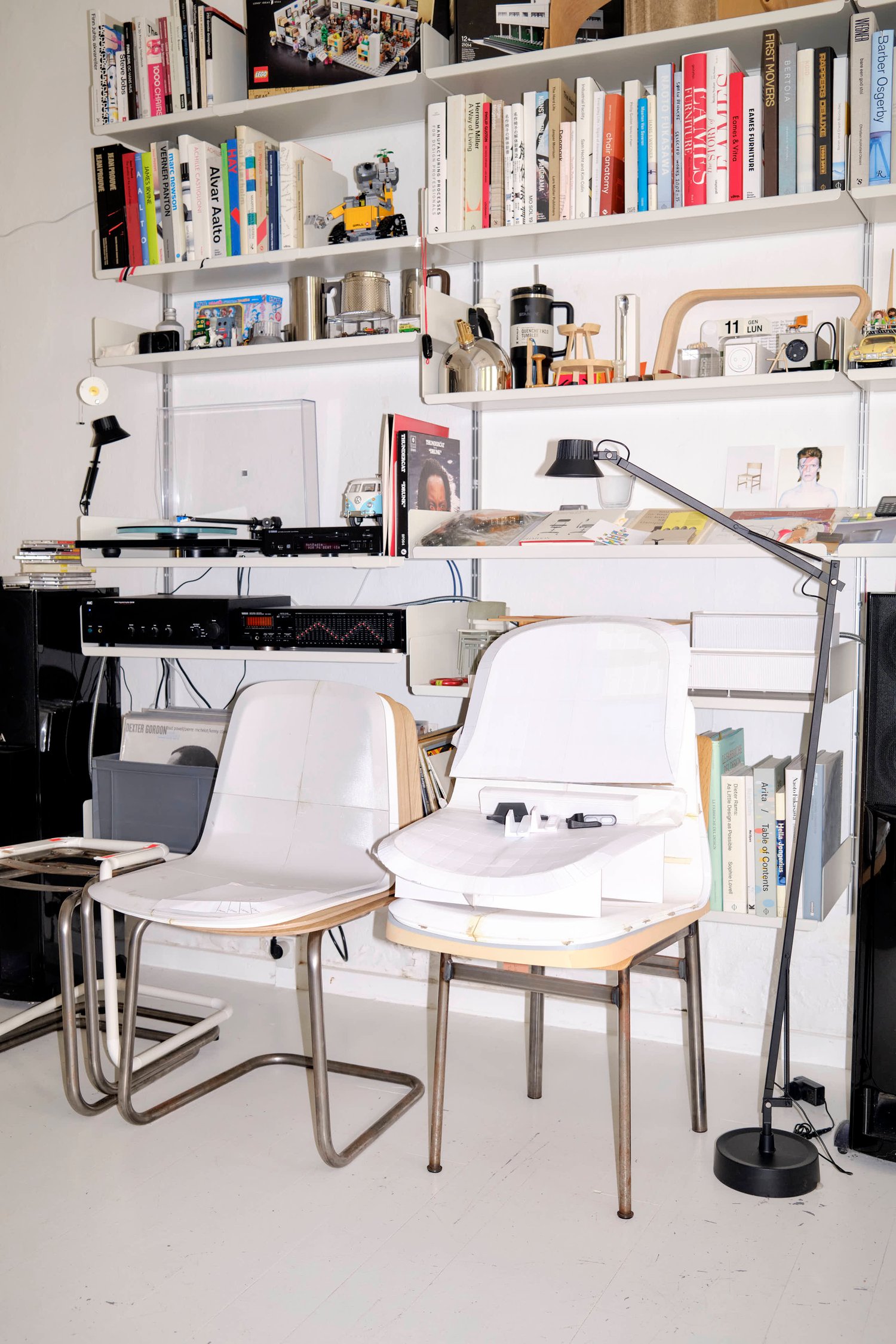
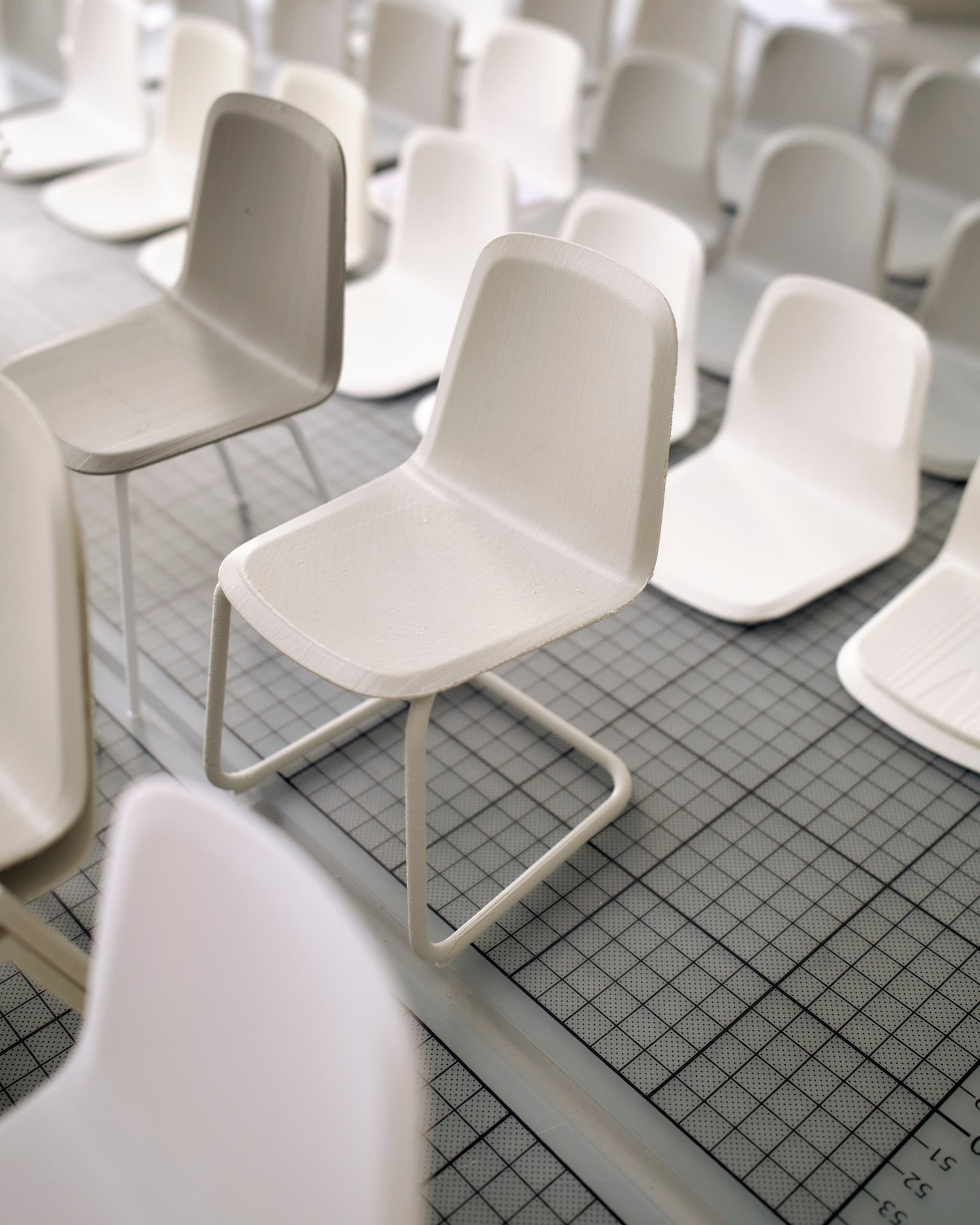

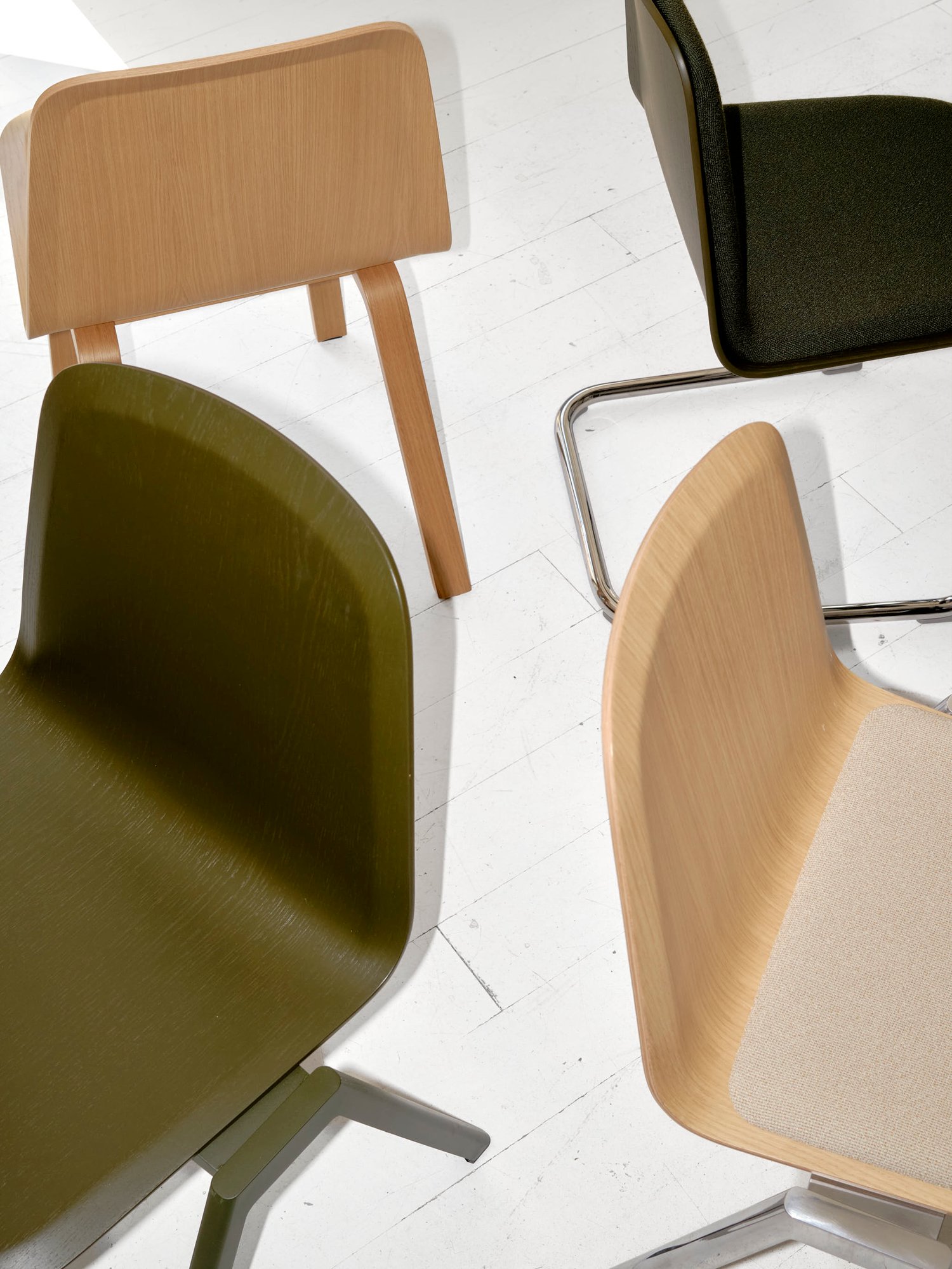
Each iteration brought the shell closer to its final expression. Some versions were more curved, others slimmer at the edges. Gradually, the form was adjusted until the chair reached a precise balance between flexibility, comfort and strength. From the front, Brink has a soft, open character. From behind, the folded edges become sharper and more defined, creating a distinctive play of lines and shadow.
“I think it’s really interesting because it’s sharp and precise when seen from the back. But from the front, it has softness.”Thomas Bentzen
The folds are not decorative. They give the plywood additional strength exactly where it is needed, allowing the shell to remain thin while still performing at a high level. “Trying to achieve the lightest, strongest solution with the least use of material is super important, I think, in everything.”
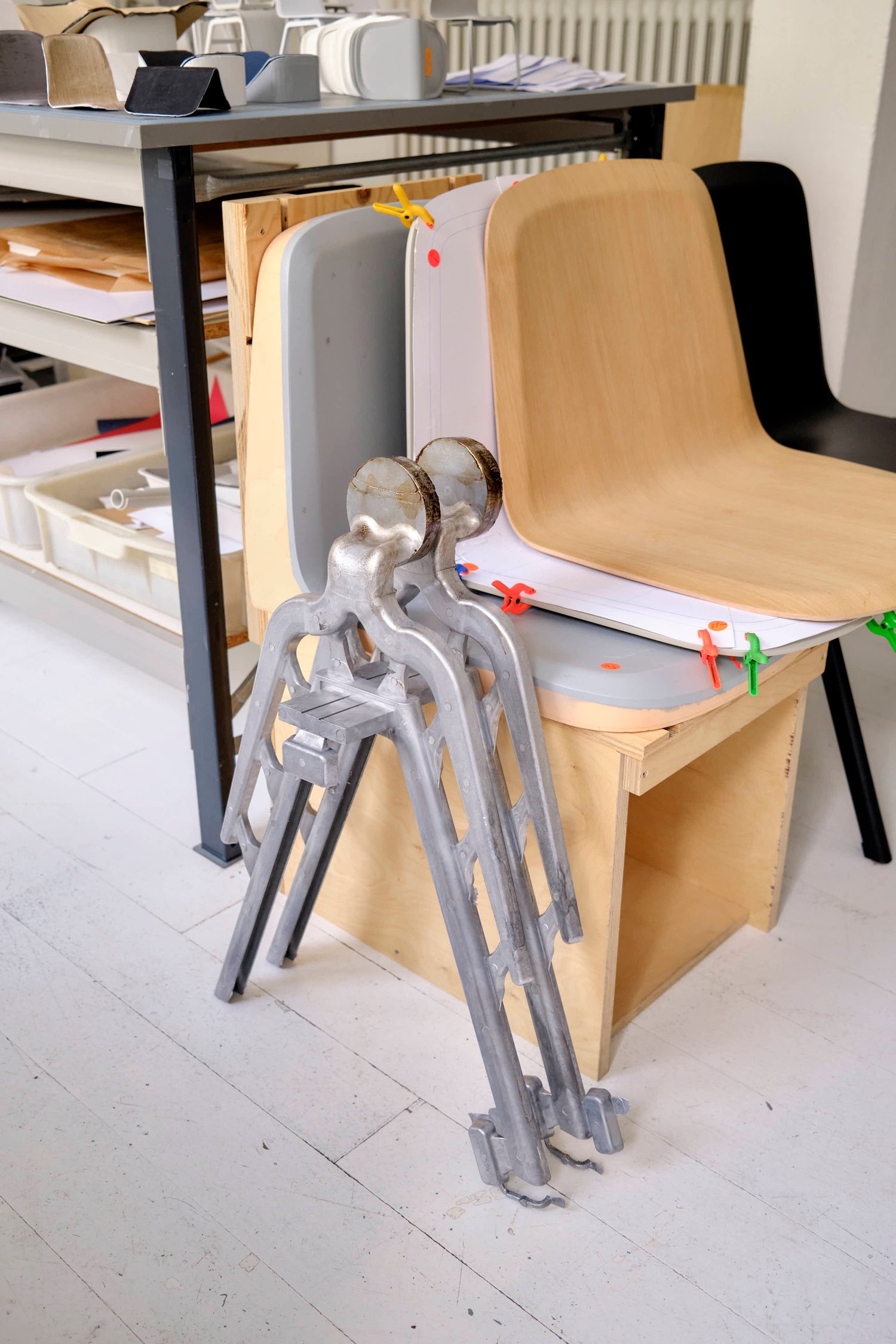
That pursuit became a process of working in increasingly small increments. A tiny change to an angle could affect how the plywood behaved during molding, while removing a layer could change the chair’s performance. What appears simple in the finished object is the result of continually refining how much the material can do. “We used four years to refine this to a place where it cannot be different,” Bentzen says.
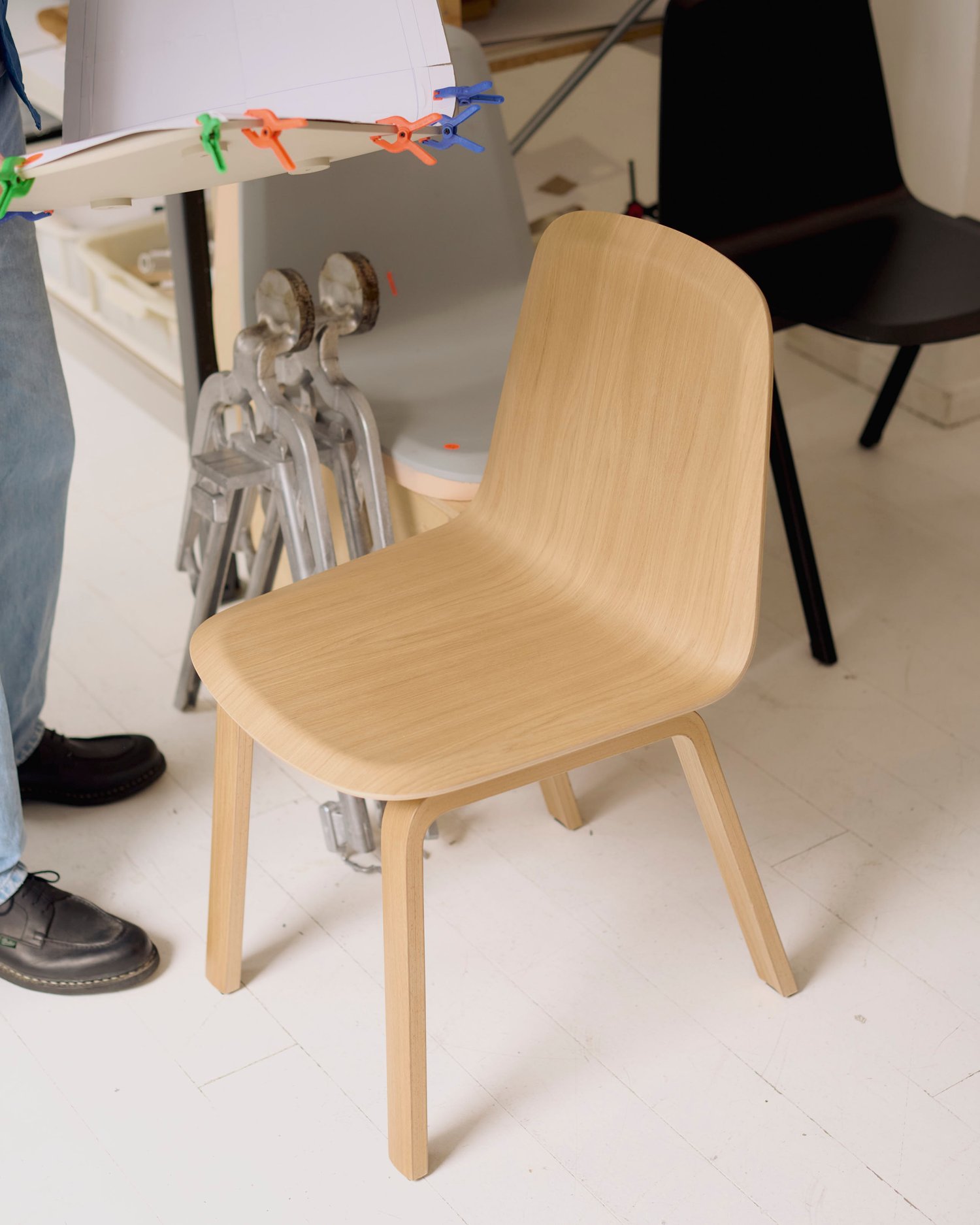
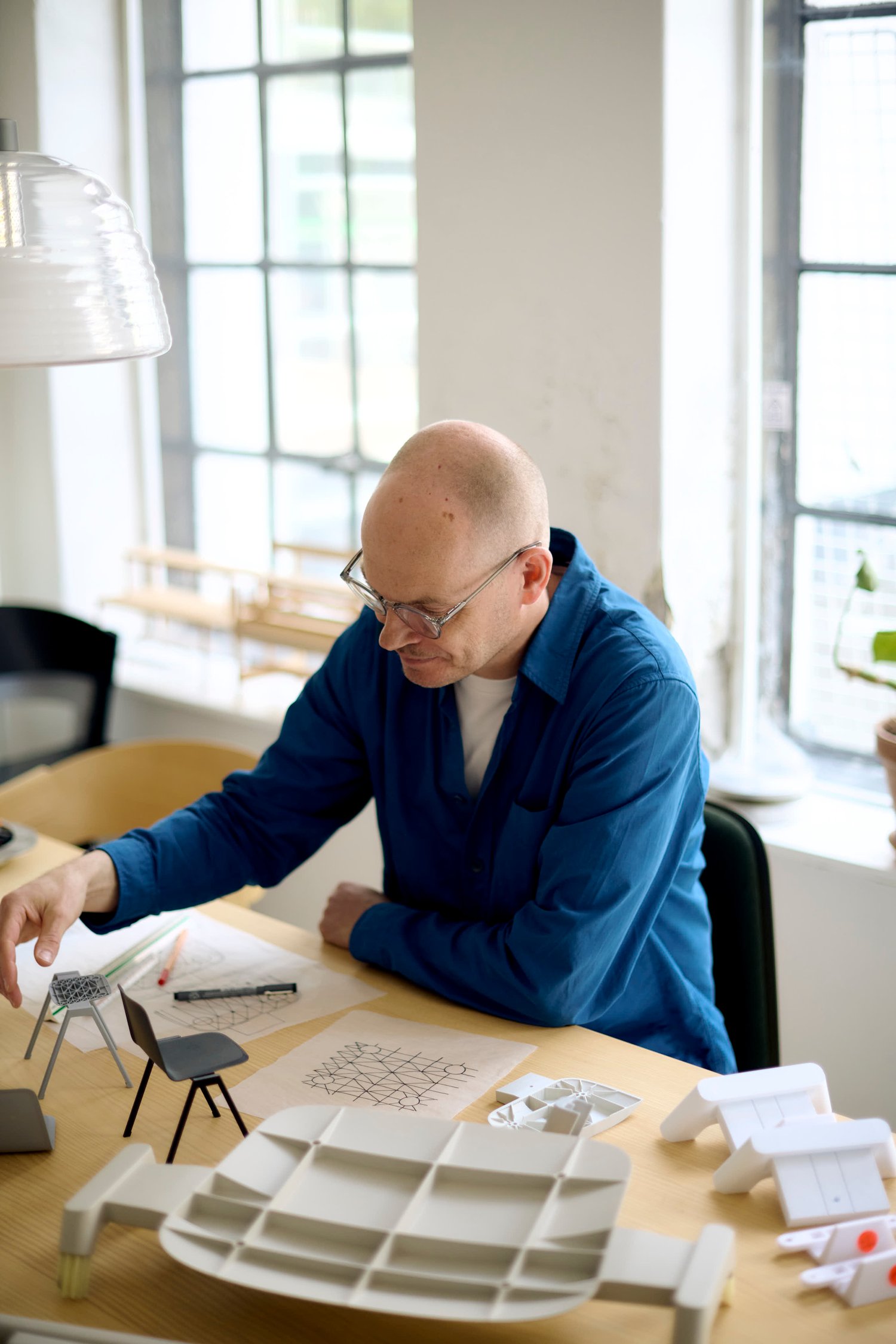
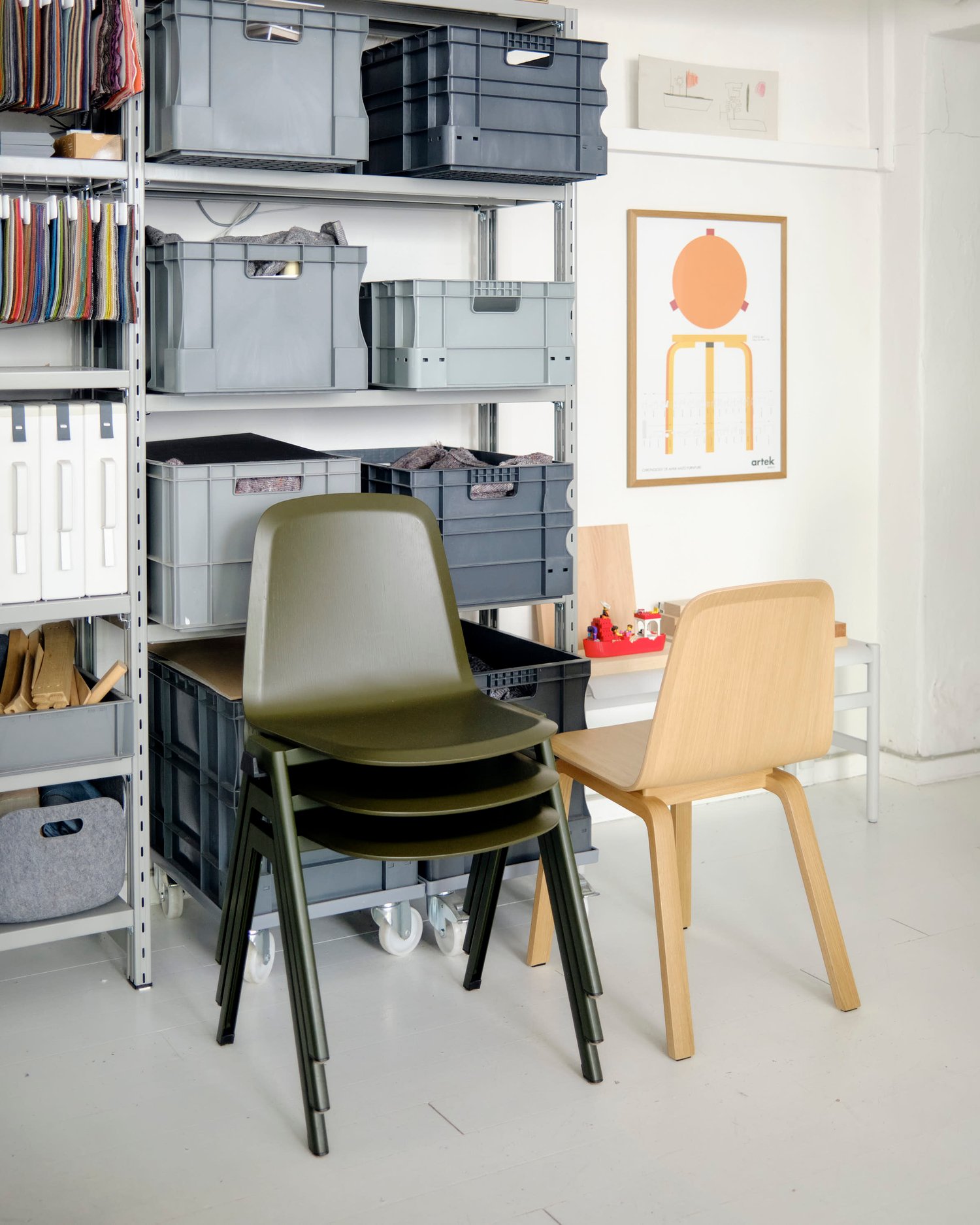
For him, this precision is central to Brink. The chair feels slim and light because every part of the shell has been considered structurally, allowing the material to work harder rather than simply adding more of it. The same level of refinement is what makes Brink stackable. Designed as an A-stacker, the chairs move directly upwards when stacked, allowing a larger number of chairs to be stored within a compact footprint.
The geometry of the shell is central to making that possible. Its flatter central section allows the chairs to stack sturdily, while the carefully shaped edges and natural flex of the plywood maintain comfort and softness in use.
“The shell takes its shape from the need to stack. That means we have to work with a lot of flexibility.”Thomas Bentzen
Rather than separating these qualities, Brink brings them together. Its thinness supports visual lightness, its folds create strength, its flexibility contributes to comfort, and its form allows the chair to stack. For Bentzen, that synthesis is part of what gives the chair its character. None of the practical requirements need to announce themselves visually. Instead, they are embedded in the form.
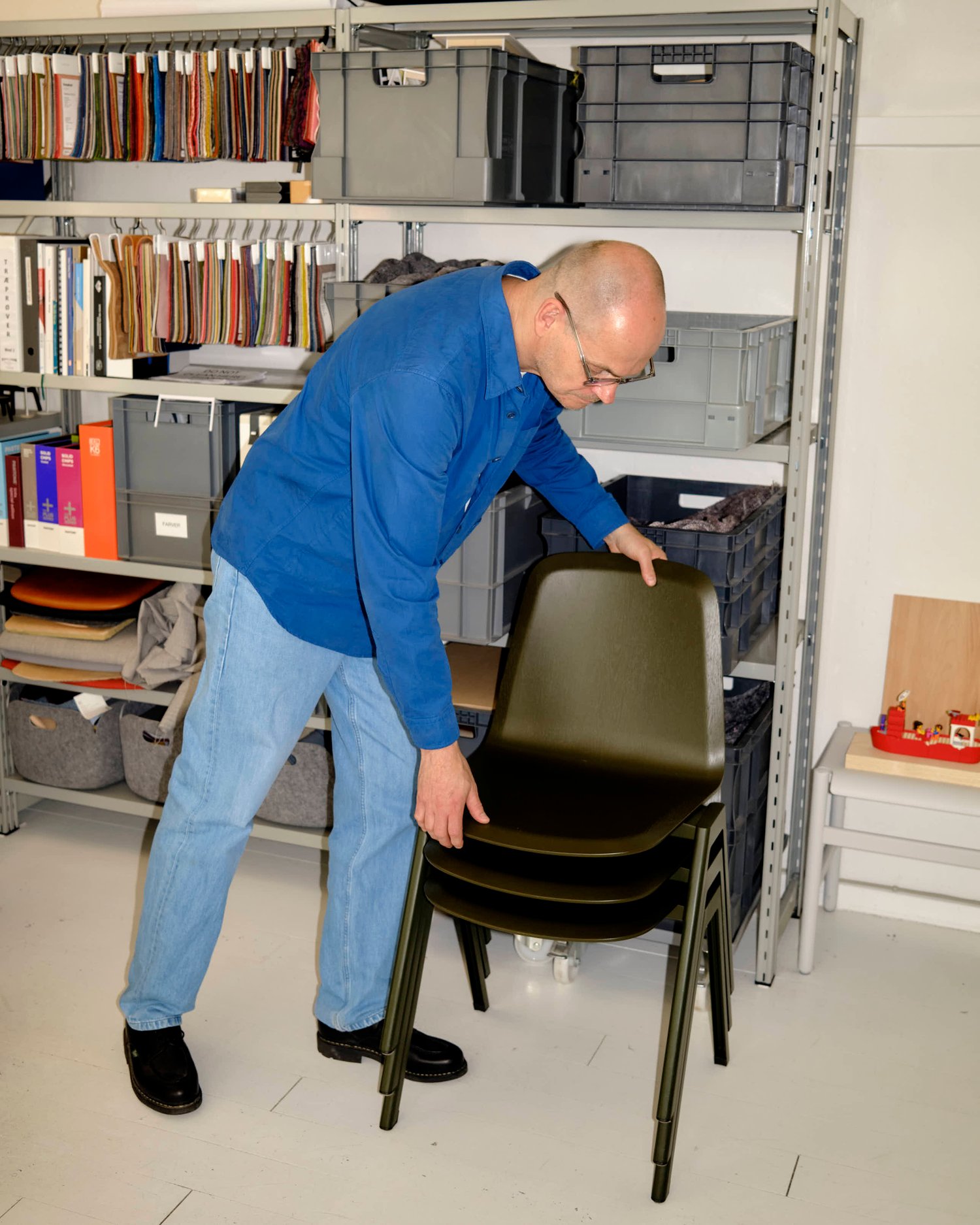
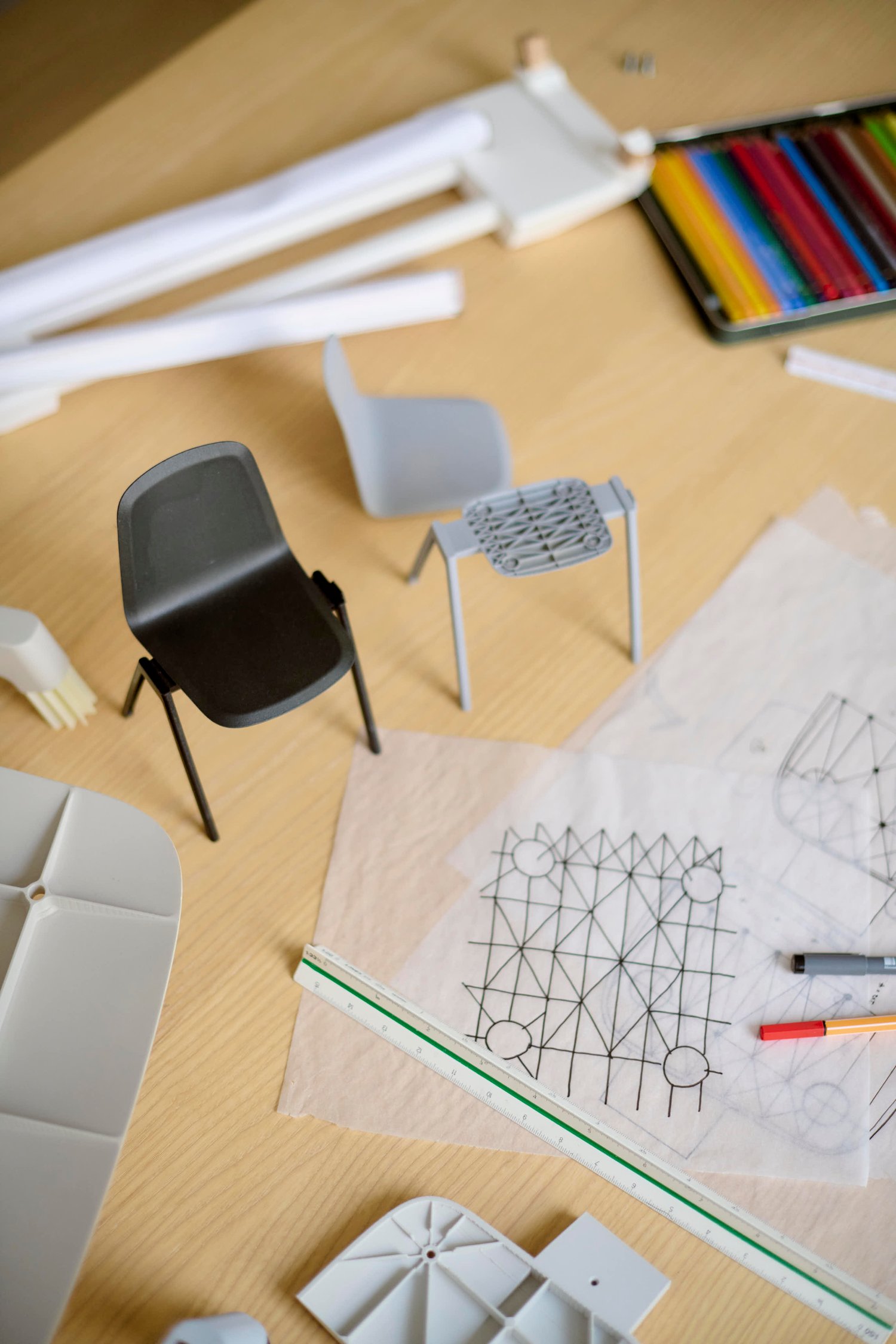
“We wanted it to look homey, but we wanted it to work in contract,” he says. “And that’s actually a really nice challenge.” The result is a chair that can perform in demanding shared environments without taking on an overly technical expression. Its functionality is present, but quiet. That restraint is perhaps what makes the amount of work behind Brink difficult to see. The shell is simple in outline, but every transition has been tested and adjusted to make it thinner, stronger, more flexible and more efficient. “In some people’s minds, it’s a fairly simple shape,” Bentzen says. “But it’s really interesting to understand how difficult it is to make a simple shape that’s nice.”
The many paper studies and prototypes in Bentzen’s studio make that process visible. Together, they form an archive of tiny decisions: a fold moved slightly, an edge softened, a curve reduced, another strengthened. For Bentzen, making those models is not simply a way of confirming an idea. It is where the design itself emerges.
In Brink, that accumulation of small refinements results in something deliberately understated: a thin plywood shell pushed close to its potential, combining strength, flexibility, comfort and efficient stackability in one clear expression.
“You learn by doing, you think through your hands — it becomes a very intuitive way of designing.”Thomas Bentzen
${contentData.items}