${ product.name }
${ product.typeTitle }
Item no ${ product.sku }
- ${ setting }
- ${ product.variantName}
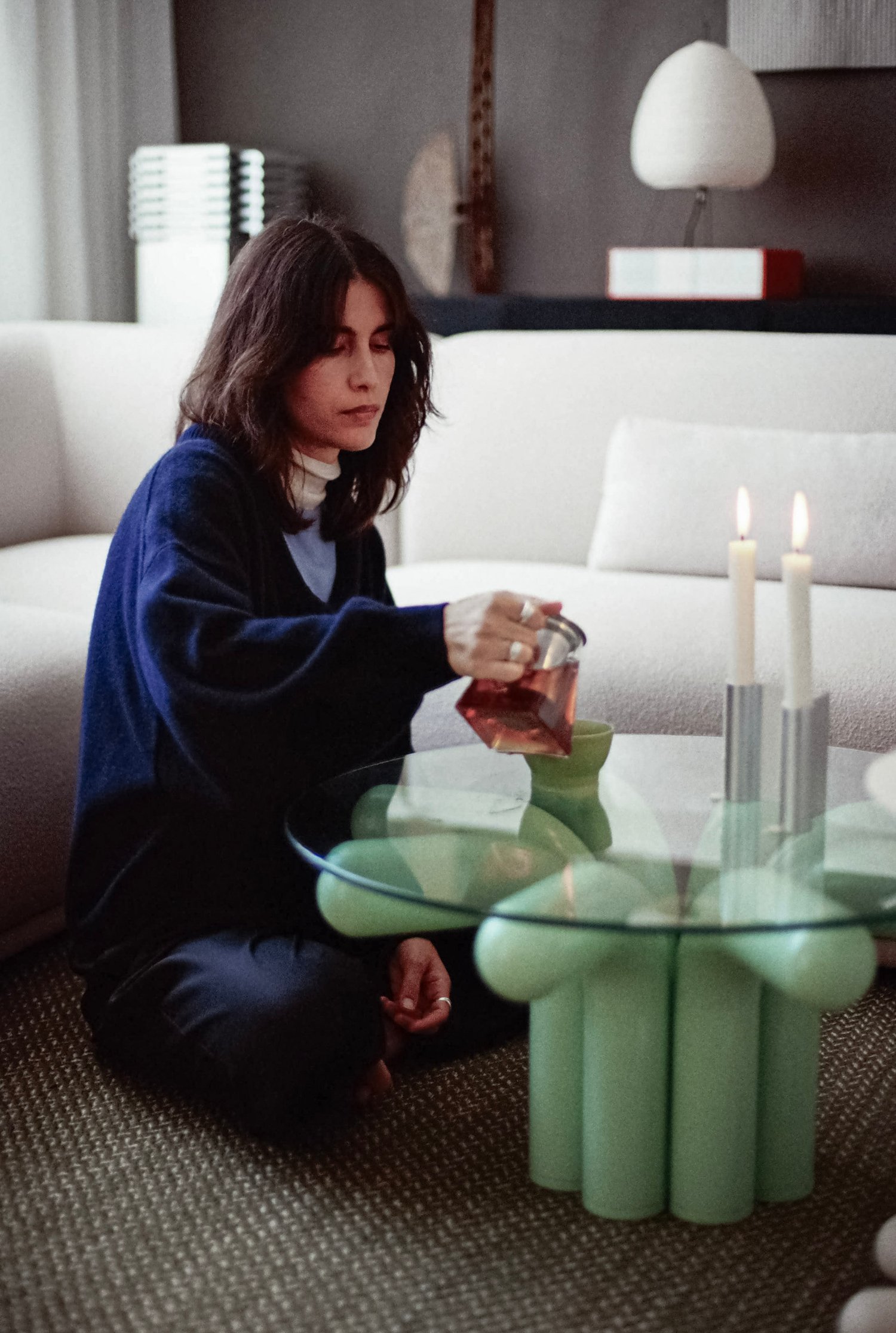
Some things, Yağmur believes, find their way to you once you've pictured them clearly enough. The Connect Soft Modular Sofa was one of them: a design she had admired for years before it found its place in her open-plan Berlin apartment. Set as a full corner in a soft grey-beige, it is now a quiet but steady presence in a home with a continuous layout. It has character without taking over the room, leaving space for the things around it. And in a home where she both lives and works, it's also where she goes to take a break.
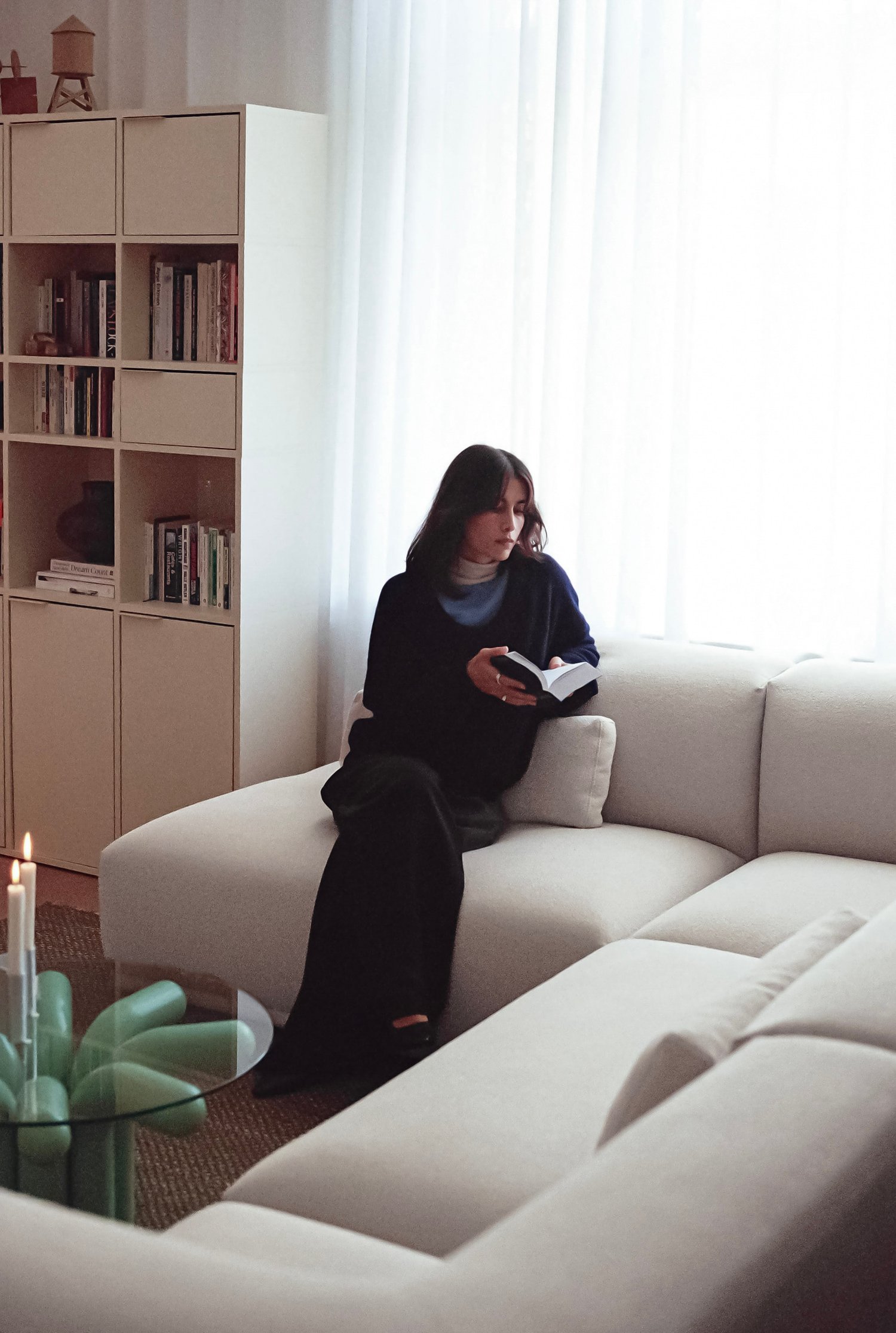
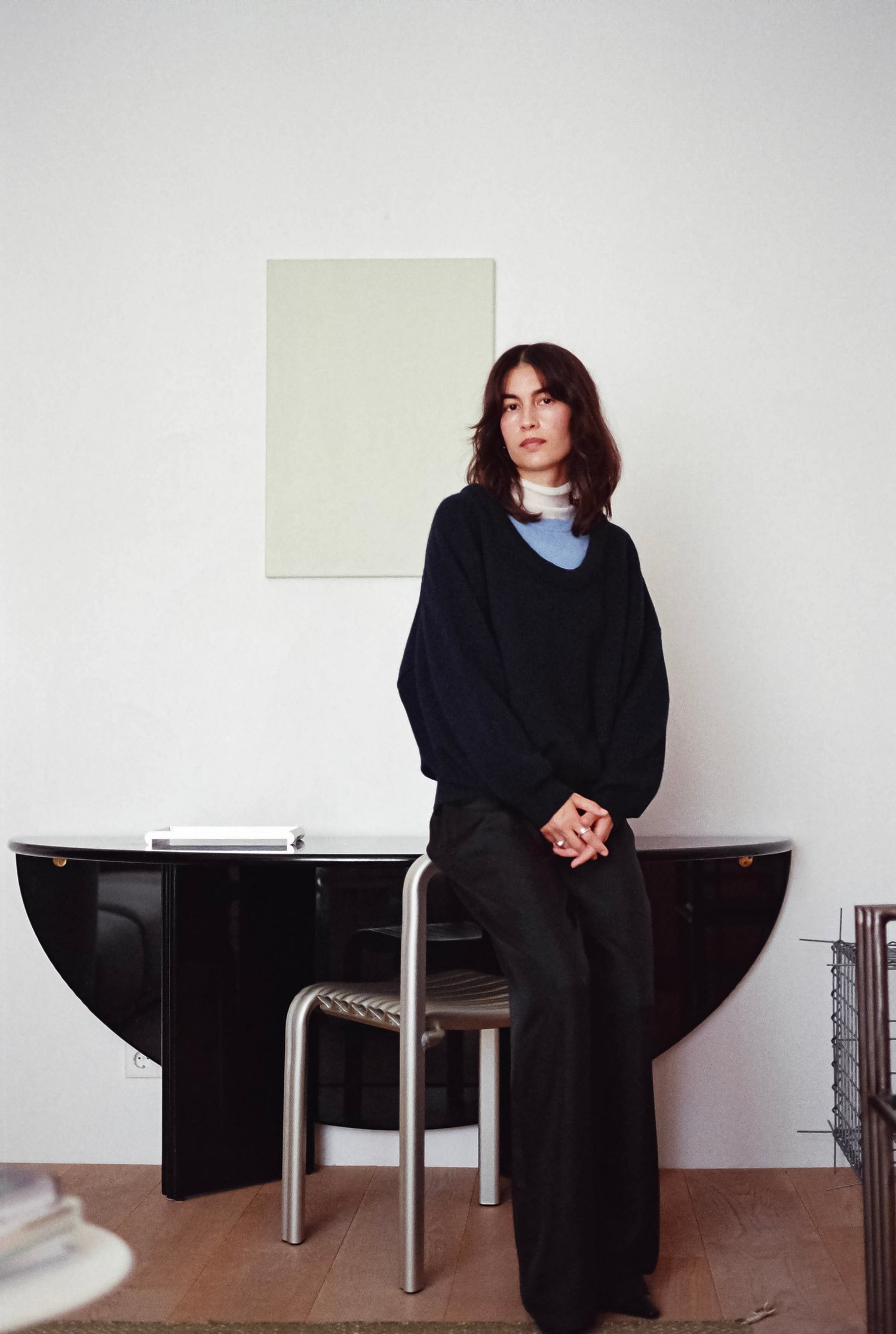
Yağmur Rüzgar is an artist and designer. Born and raised in Istanbul, she studied at the Bauhaus in Weimar, where the movement was founded, before settling in Berlin, where she runs the design studio Paleworks with her partner, Ozan. Their apartment came with a history of its own, shaped in the late 90s by an architect for a gallerist, who reworked the layout around the movements of its resident. Instead of walls and doors, columns and doorways define the space, giving every angle an architectural quality. Yağmur wanted to keep it homey and cozy, but also a little gallery-like, following in the footsteps of the past.
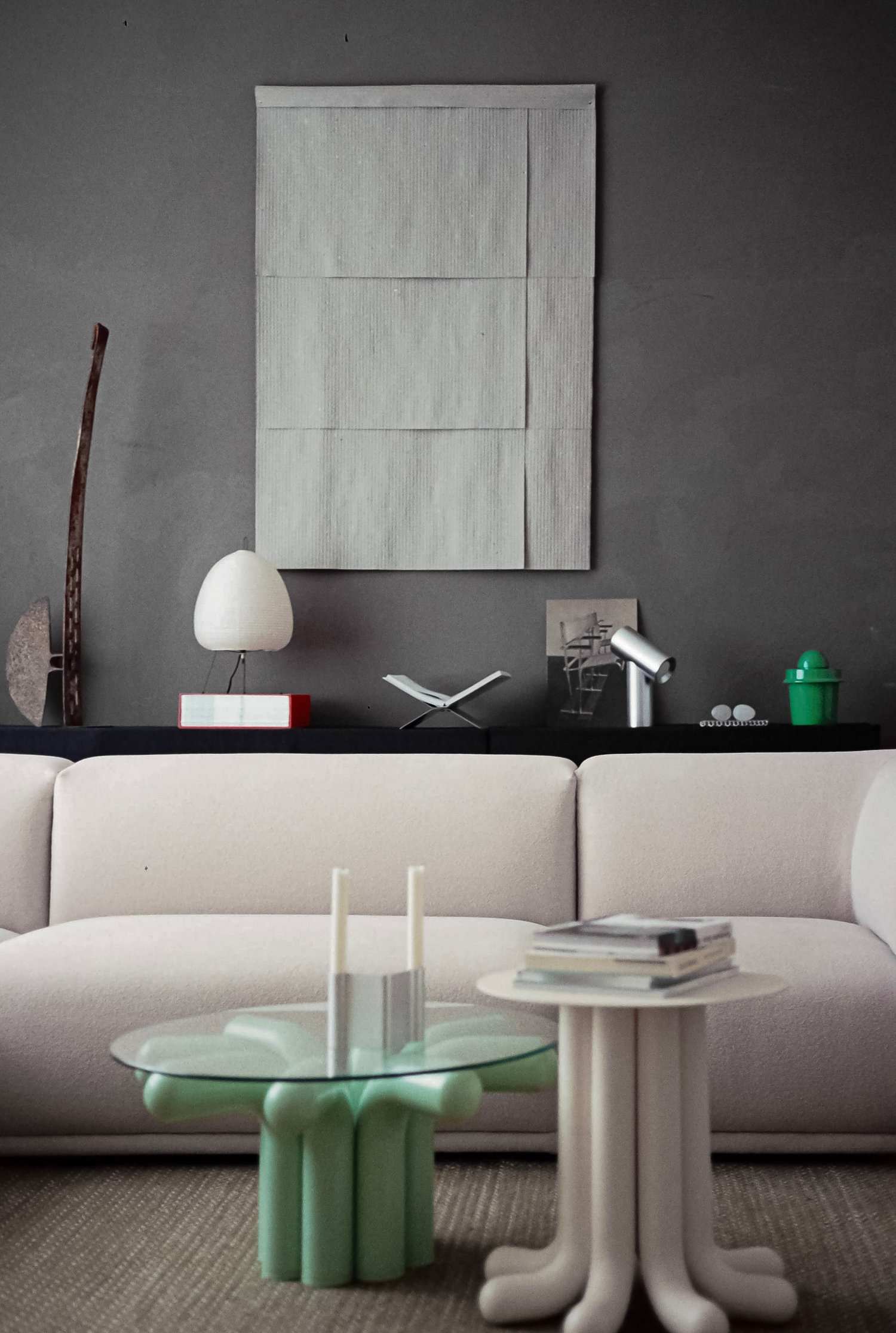
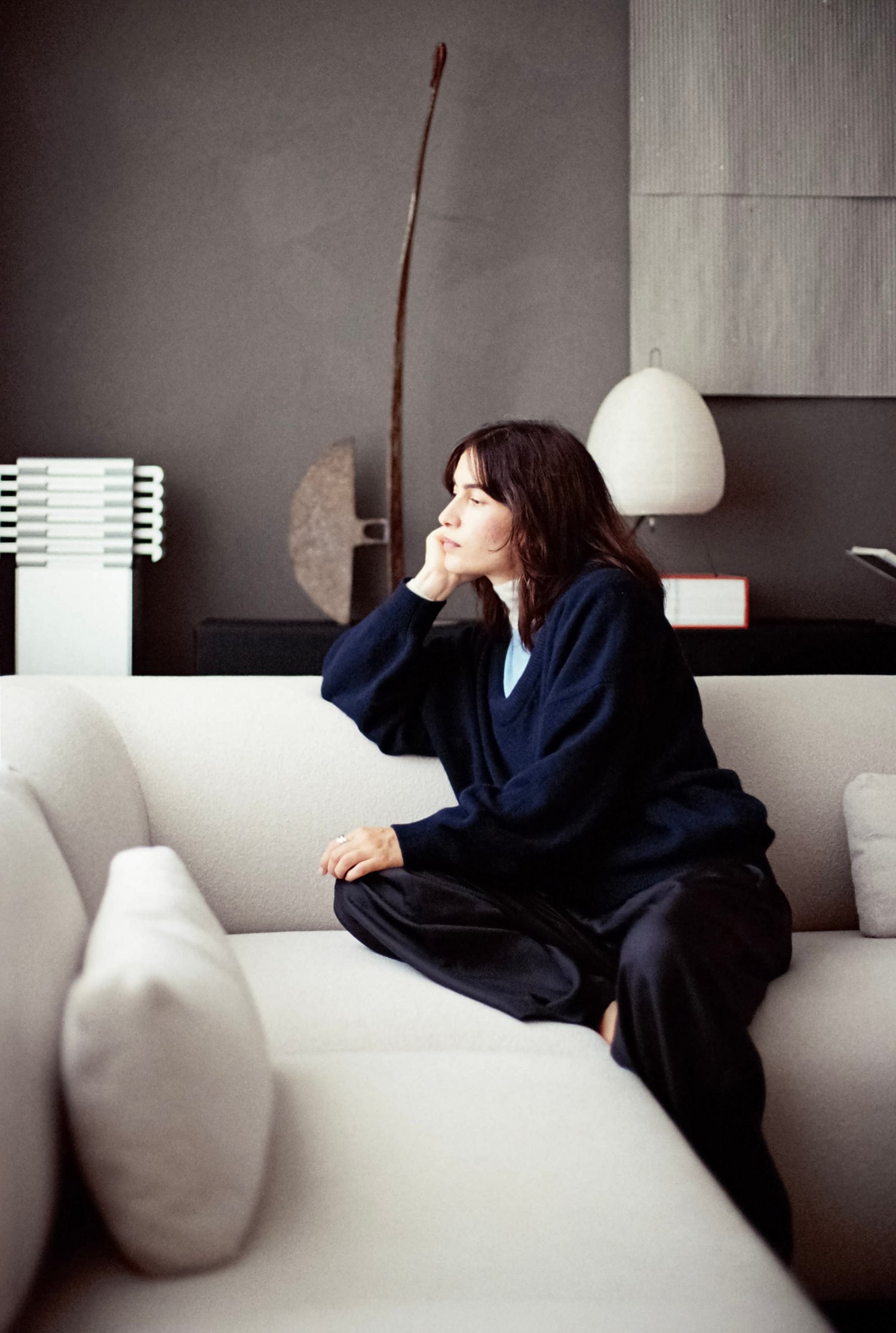
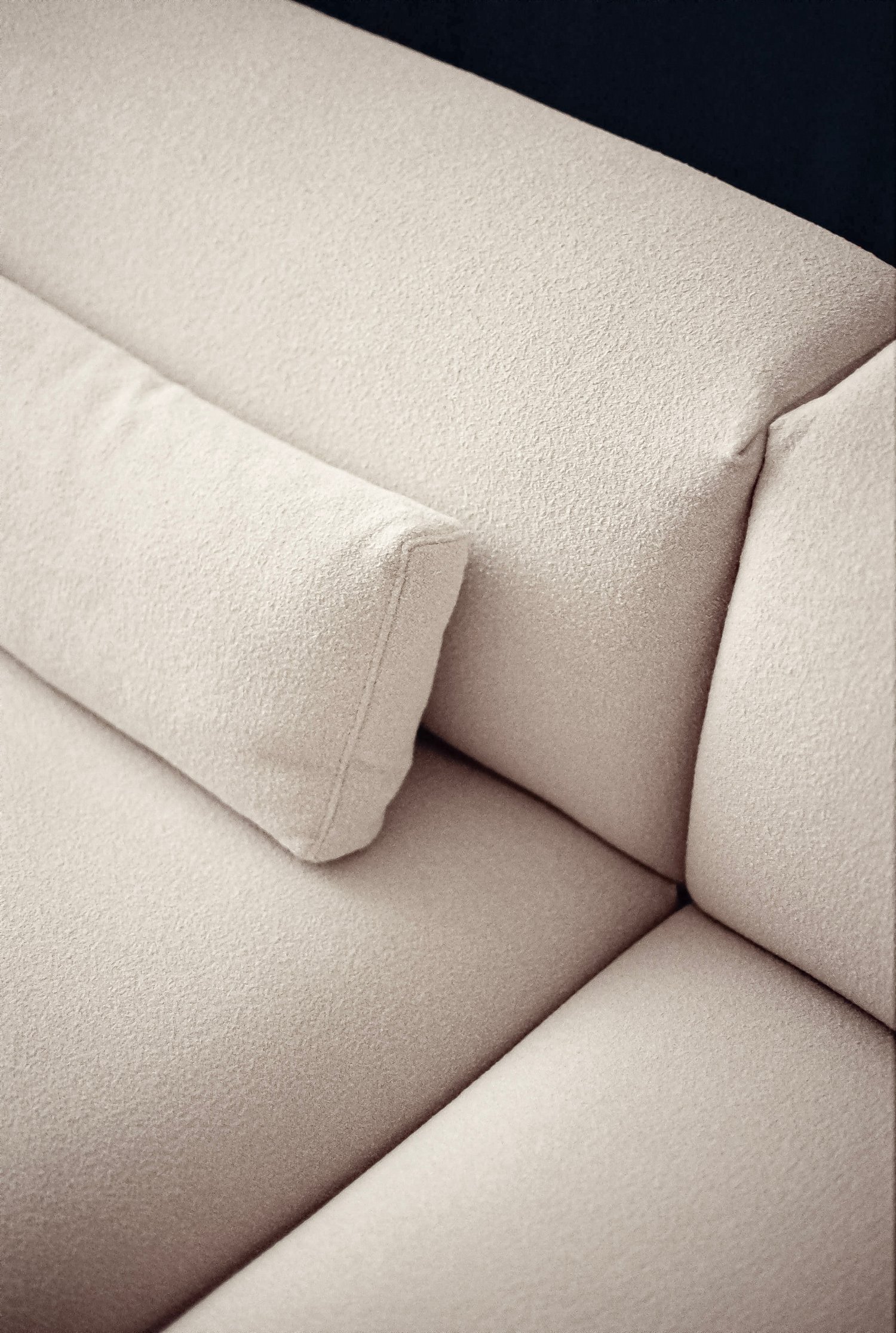
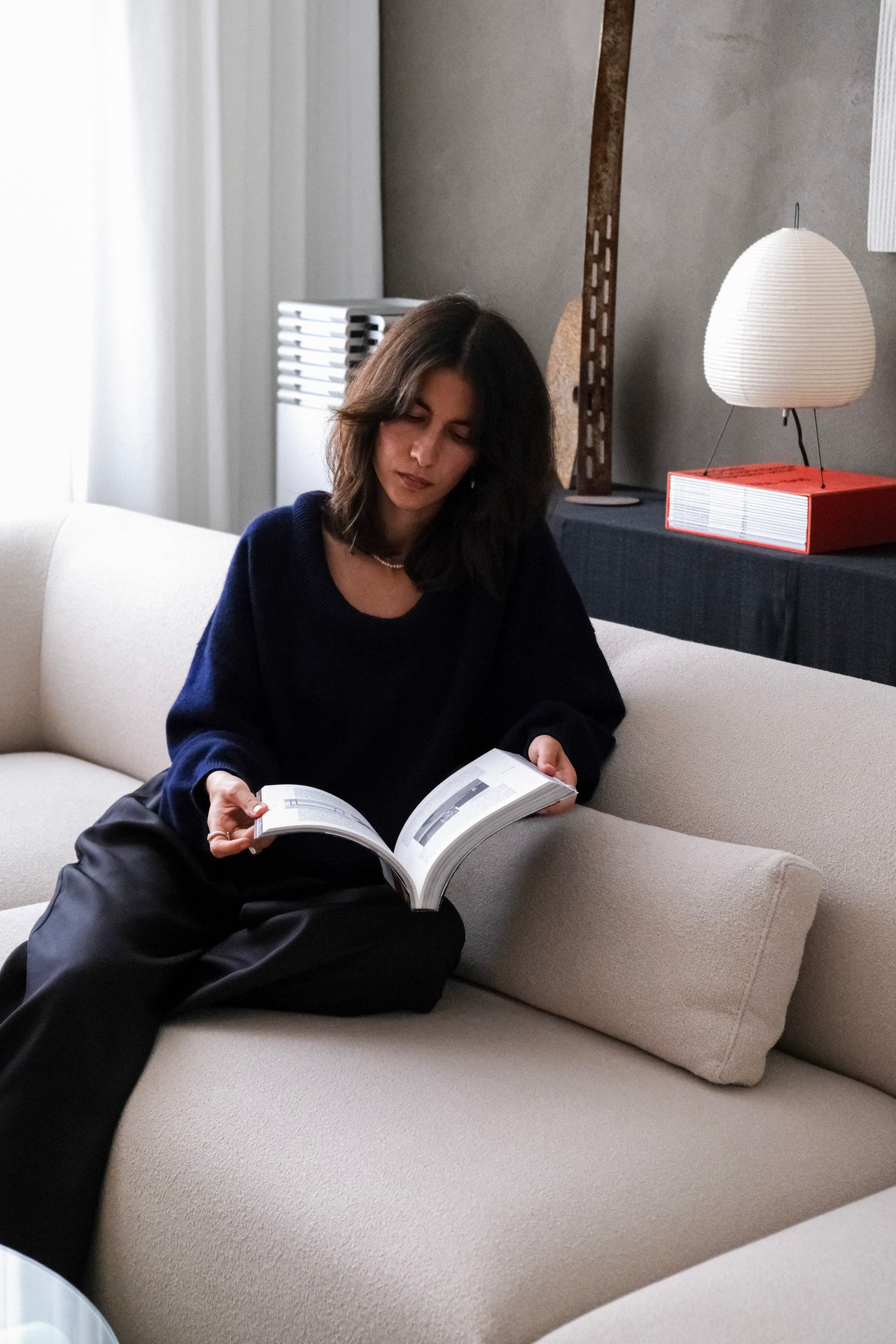
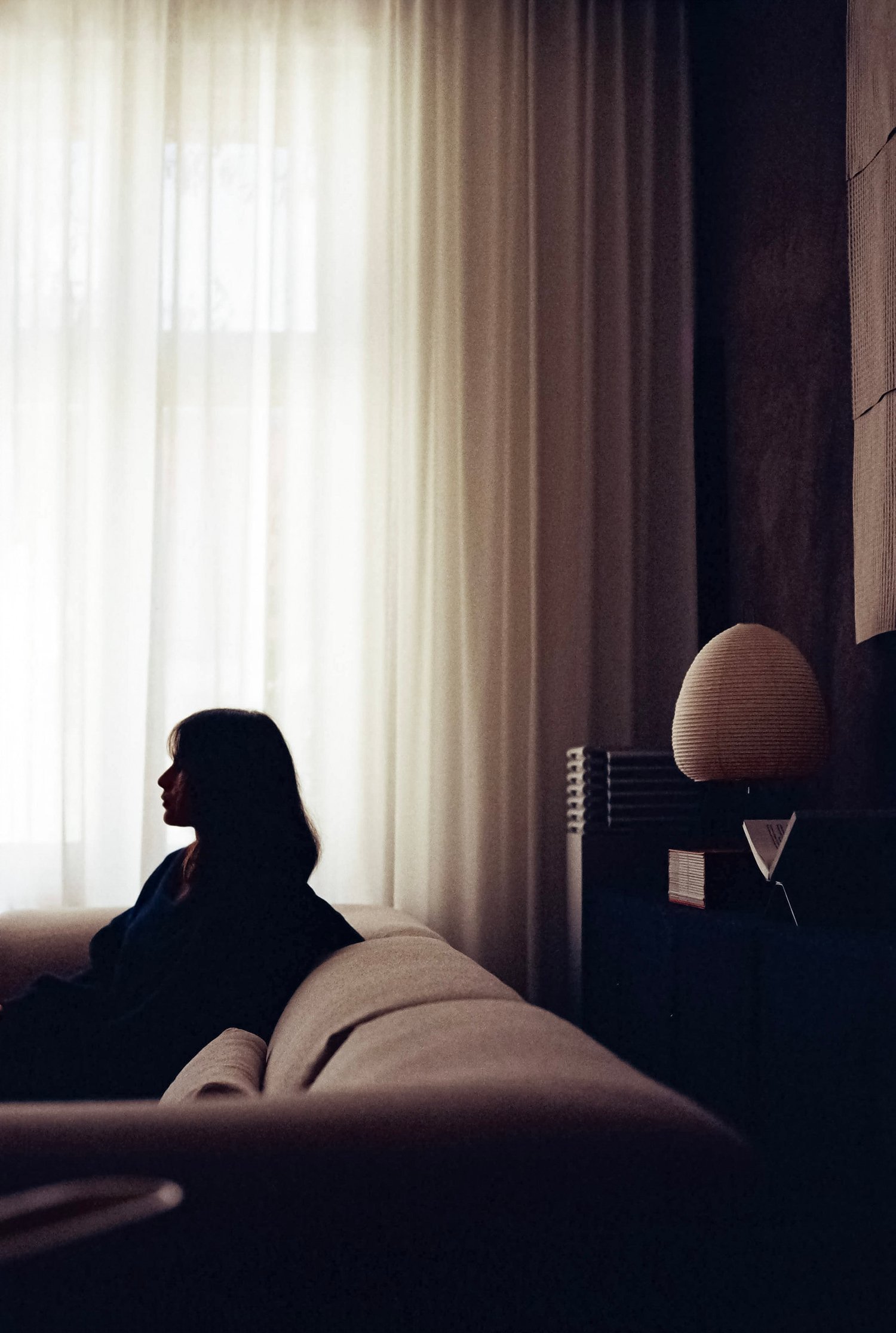
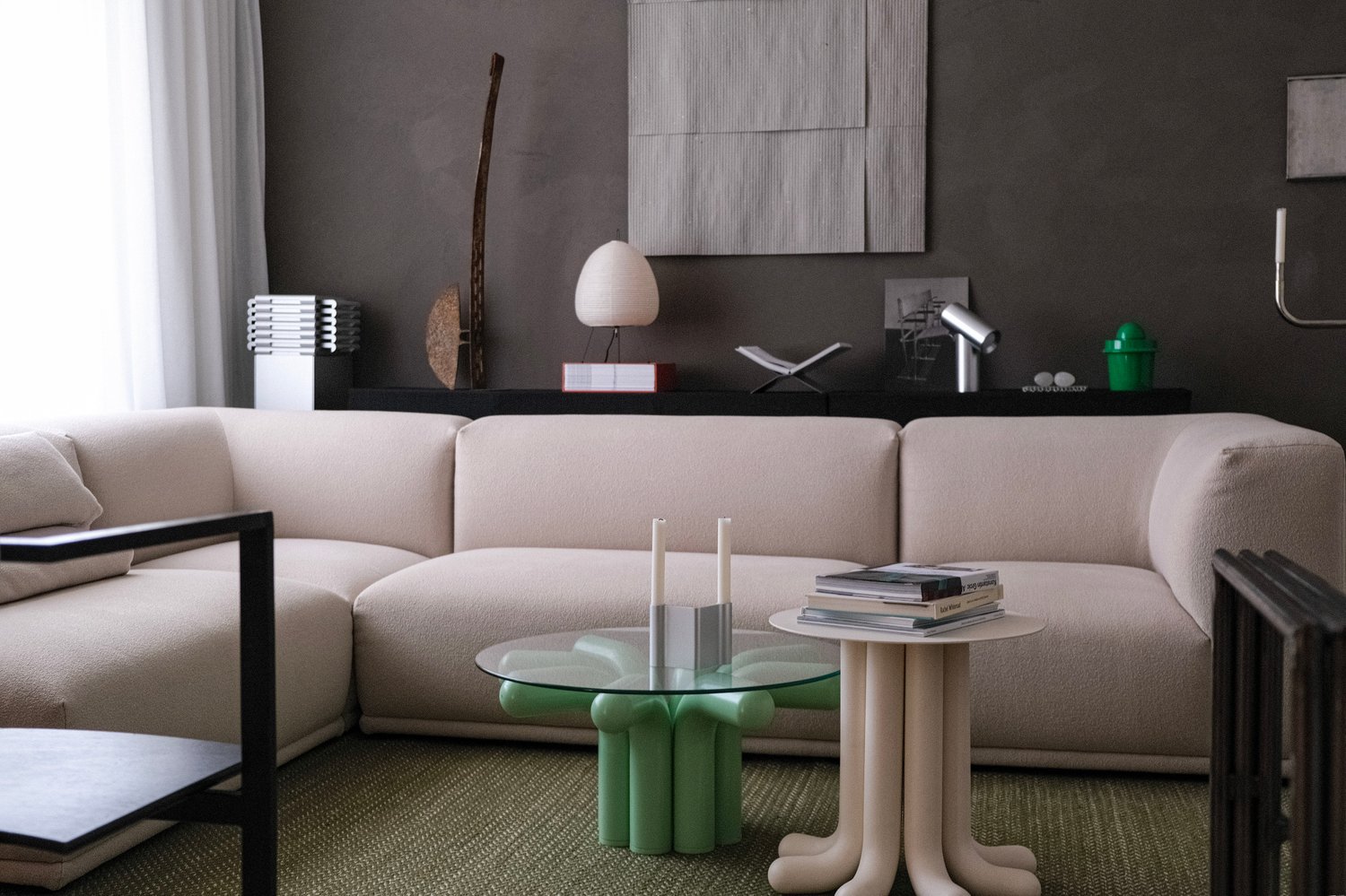
The sofa sits in what they call the gathering space, which turns into a room only when the curtains close, covering the columns. Four Connect Soft modules form a full corner, including one without armrests whose back dips slightly. Upholstered in Acca 121, a soft grey-beige, it bridges the dark grey wall behind it, the moss-toned rug, and the raw floorboards. From its corner, you can see almost everything: the columns, the corridor, the office, and the dining area. "It's like a central angle," Yağmur says.
Tell us about your home and how you live in it.
The building is an "Altbau", but the apartment is really modern, so I started to dig into its history. In the late 90s, the architect designed the interior for the gallerist who owned it then. They removed pieces of the walls to create columns, tore down the corridor, and made a small bedroom nook that looks toward the window. Then, in 2022, another architecture studio renovated the space while preserving the original architectural concept. I was, of course, fascinated to learn more about the people behind all this: their story, inspirations, and motivations.
Living and working in one continuous space has its challenges, but we enjoy the increased possibility of exchange it creates. While I’m working on one of our projects in the office, Ozan might notice a detail and point it out from the living room, or we might find ourselves brainstorming while each of us is immersed in our own work. We’ve also introduced a few divisions: shelving separates the office area, and we can draw curtains behind the columns when we need a little more separation between life and work.
What drew you to the Connect Soft Sofa?
I had my eye on this sofa for years and years. I like how it doesn’t draw attention to itself, letting the items around it stay visible, yet it has a strong presence of its own. That balance is something I find really difficult to achieve, and as a designer, it’s something I aspire to in my own work, too. It sits in the corner of the living room, facing the rest of the open space. From there, you can see the dining area, the office, even the bedroom.
I had doubts about a corner sofa at first. They can feel conventional because they've been so overused. But we made a full corner rather than a lounge, so you can sit back comfortably in every part. What makes it exciting is that some modules have armrests and one doesn't. That one has a dent in the back, which gives it breathing room.
Our old two-seater was very structural. This time I wanted something more elevated, rich, and soft.
“Maybe in a year or two I'll split the four modules into two pairs facing each other, or put them in one long line. I really like this modularity.”
How did you choose the fabric?
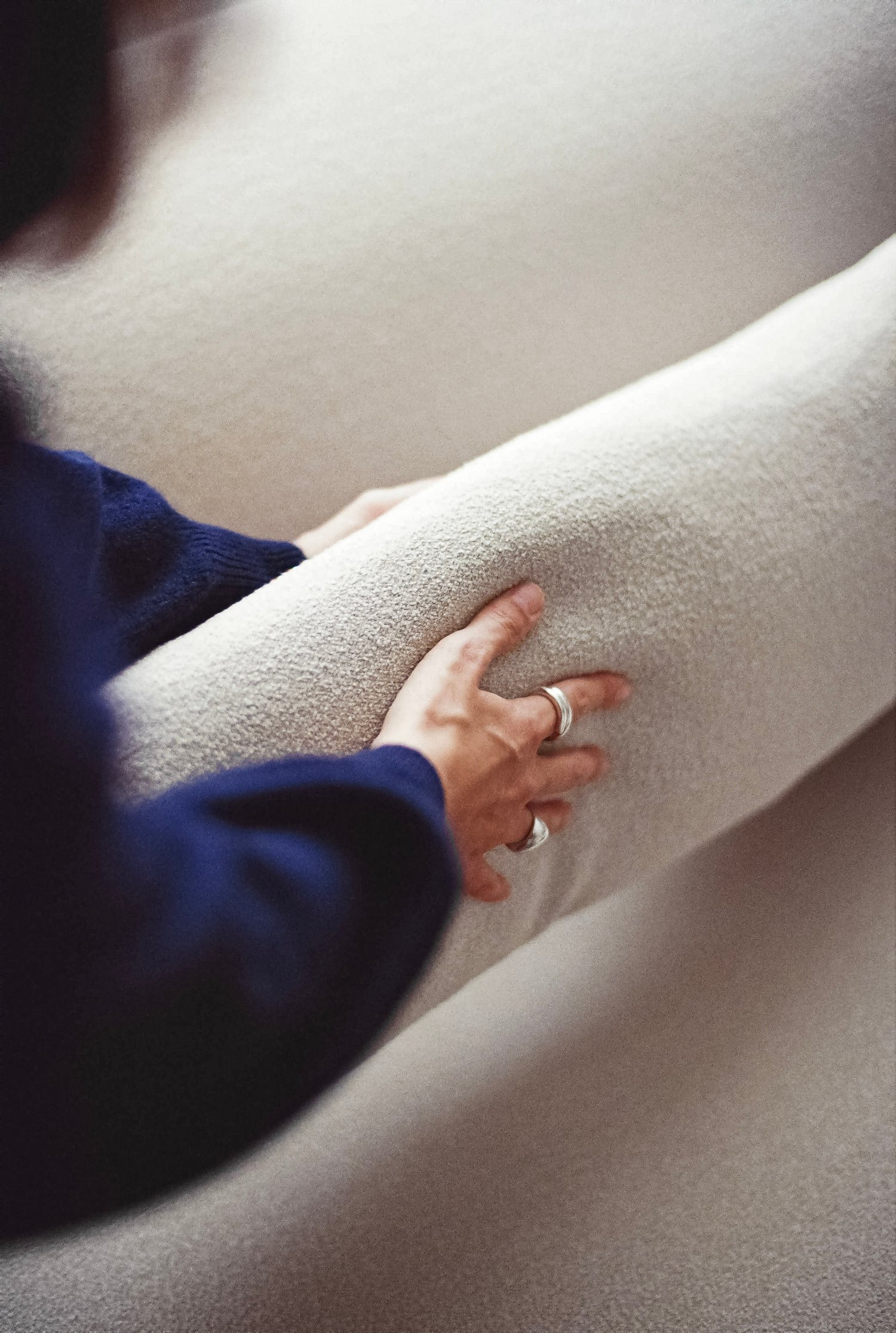
It’s a grey-beige that picks up tones from the rest of the apartment. We didn't want a fully beige room, but nothing too colorful either. We were searching for a substantial piece that would create a gradient-like transition from the dark grey wall and black console to the oak floorboards and moss-toned rug. This way, the sofa almost appears rich in color, yet it’s not quite a color at all. It brings everything together, creating a cohesive palette that feels intentionally layered.
How do you choose the objects you surround yourself with?
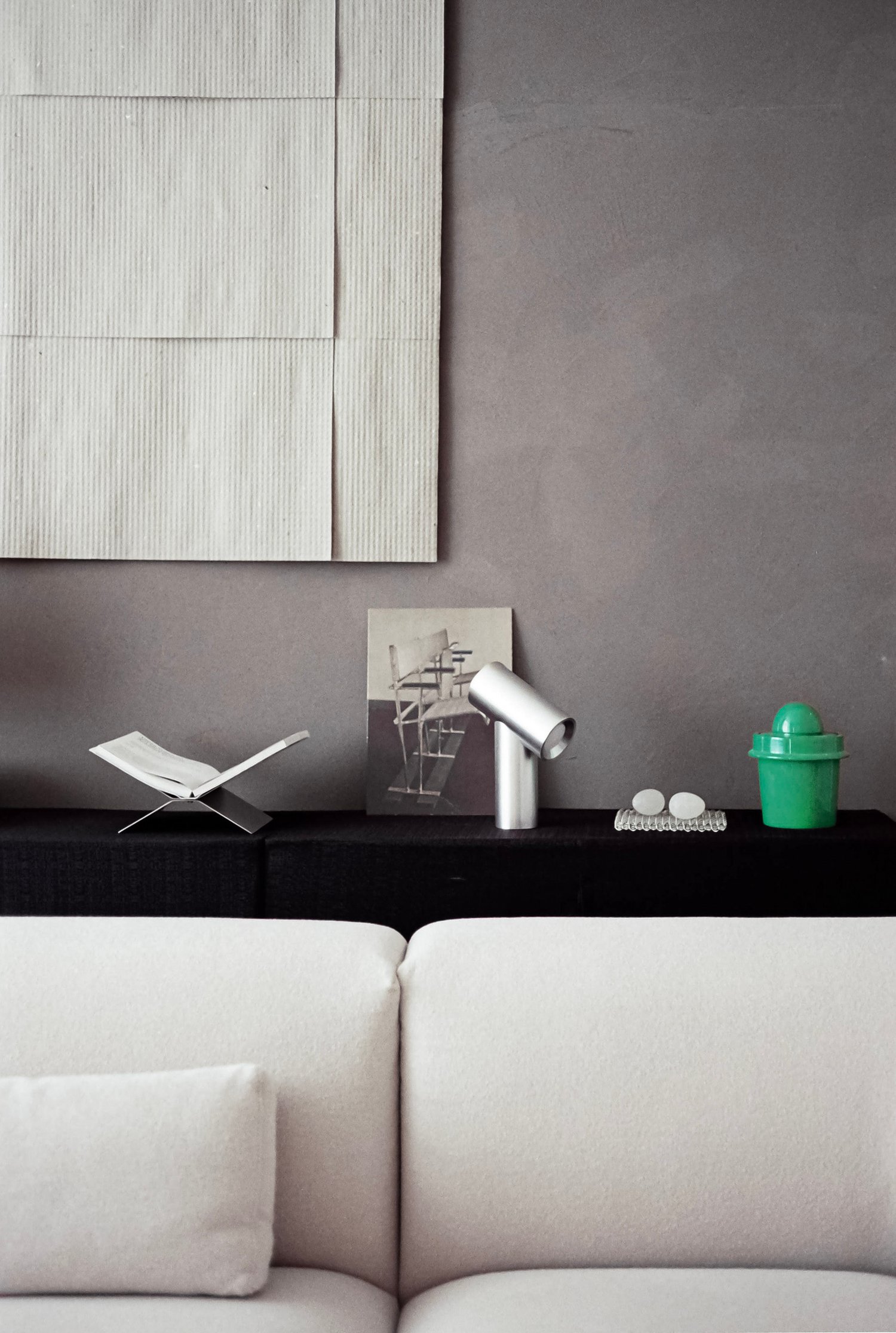
An object should elevate the space, evoke a feeling, or have a function. Just looking beautiful is also a purpose. In every corner of the space, we tried to avoid clutter and mess, as this is both our home and workplace, and we need room to breathe and think clearly. One thing that has helped was keeping all visible objects above a certain size, roughly 15 cm, which makes the overall look appear clean and spacious. And I look for a click. When I put something down and feel it, I know it's right.
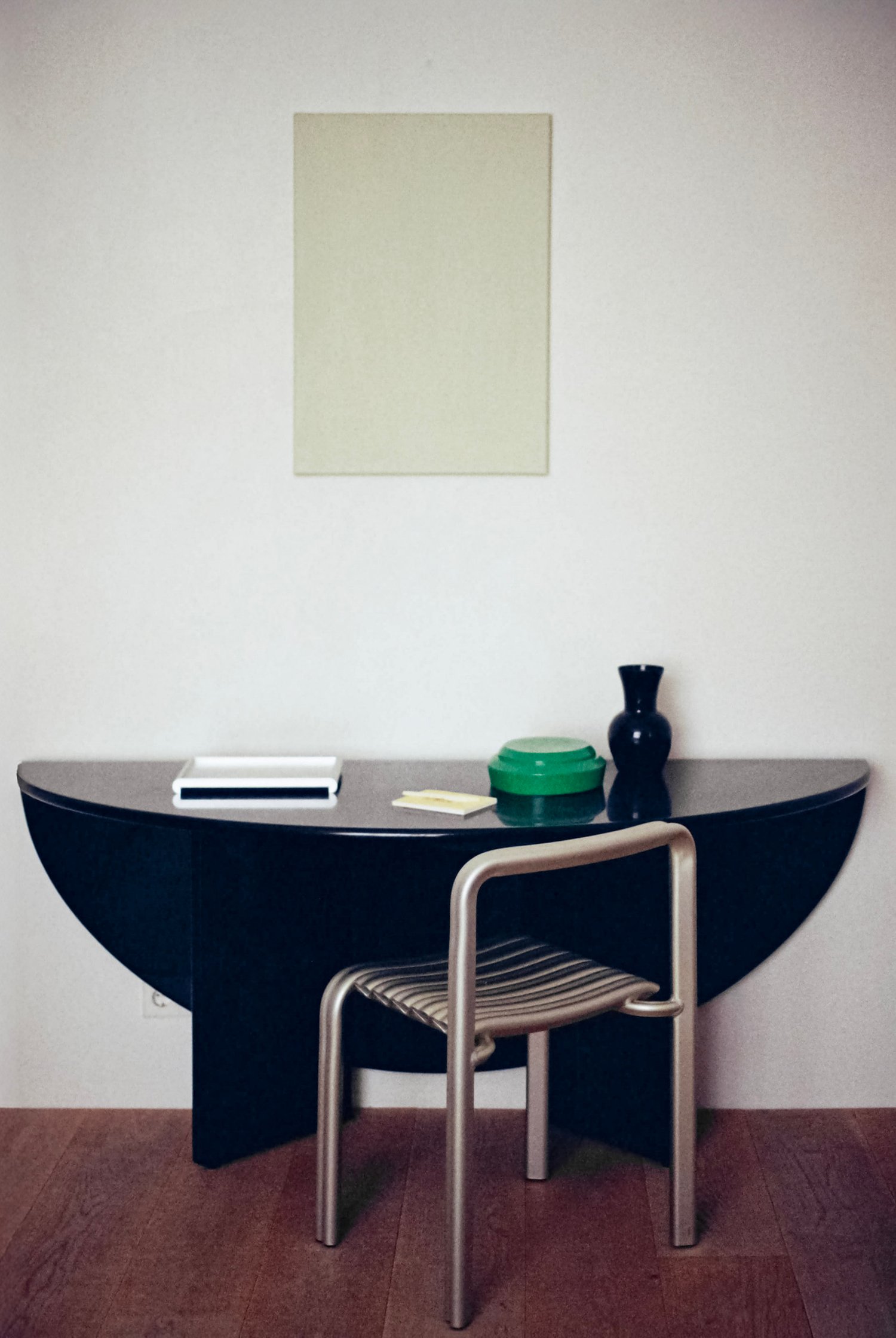
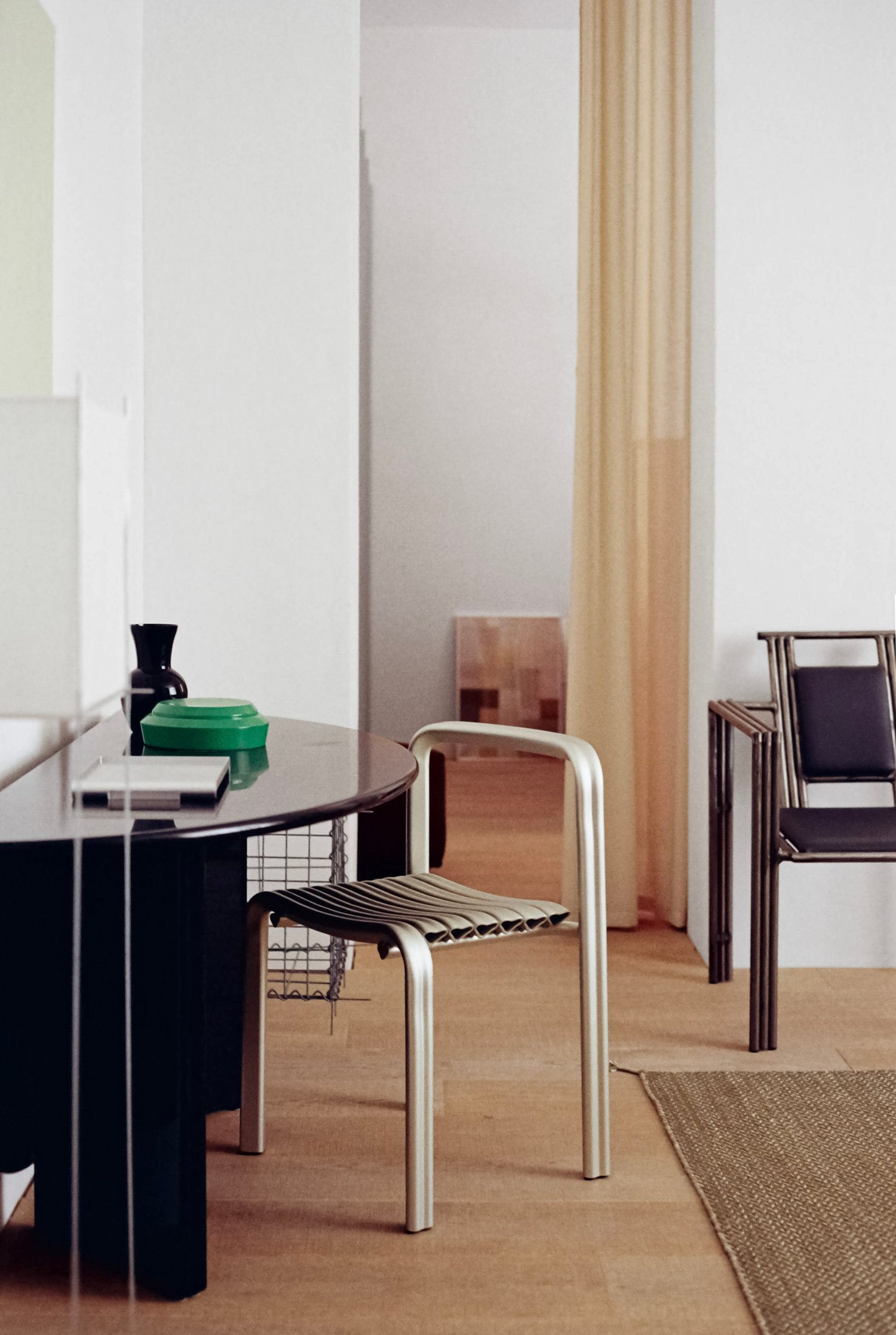
Some pieces take patience. I first saw the dining table in our living room, by Kazuhide Takahama, in New York, and searched for one for two years because I wanted a vintage piece with an existing soul. I finally found it in Berlin. When we put it in place, it felt as if it had always been there. I think that's the trick of manifestation: at some point you stop wanting it because, in your mind, it's already happened.
“The sofa was the same. I'd loved this model for years, and sometimes I still look at it and think, how did it end up in my space? I'm just so happy it did.”
How does the Close to Heart Chair fit in?
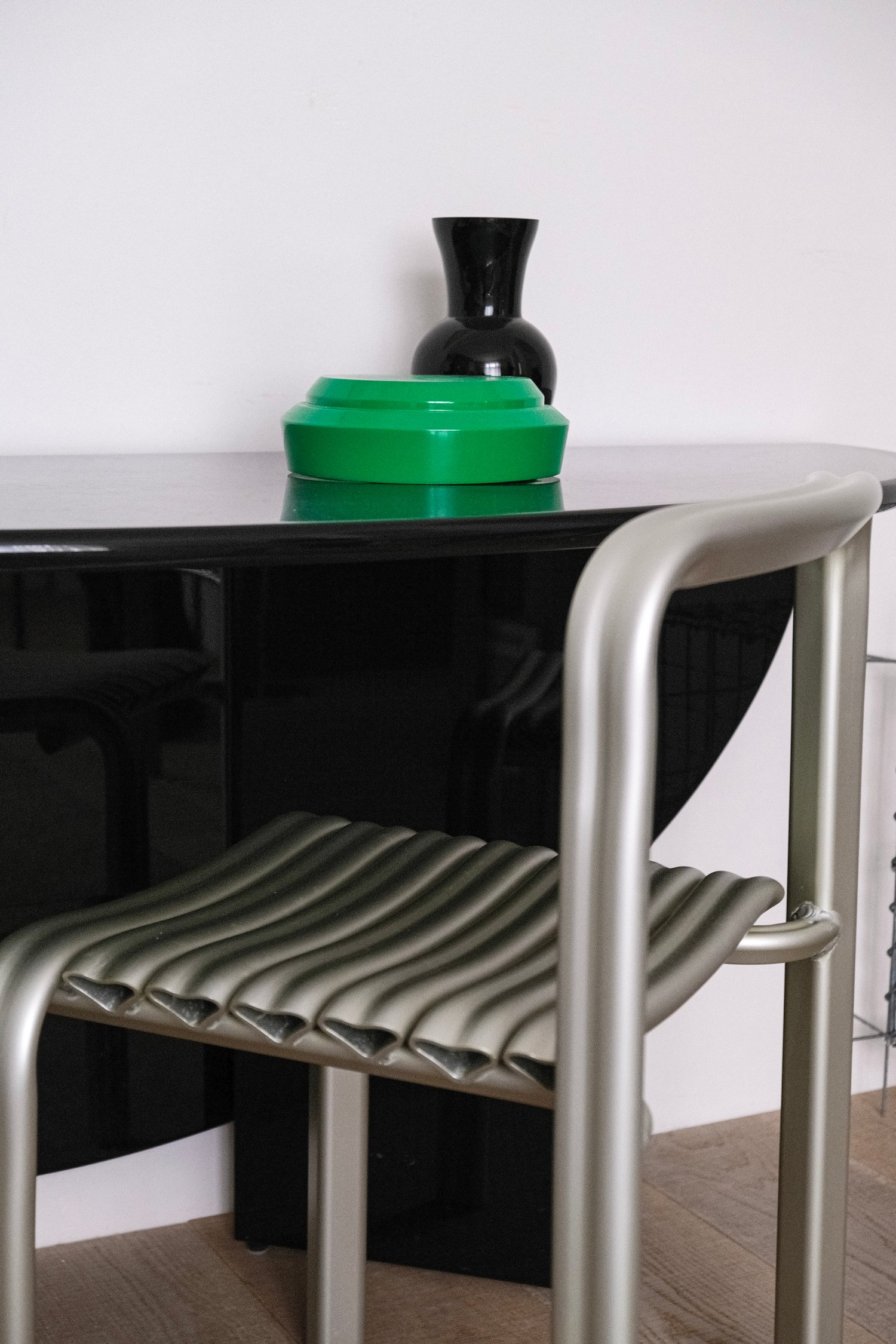
When the dining table arrived, I tried many different chairs alongside it, and we do have a large chair collection. You might expect a vintage chair to work best with a vintage table, but I was surprised by how naturally Close to Heart fit. The contrast between them works so well that the pairing never feels predictable. I really like the rhythm they create together.
Ozan and I studied at the Bauhaus, and everything we've designed since has tubular steel. So I loved seeing the familiar round tube reinterpreted into a heart shape in Close to Heart, which puts a smile on your face.
What does a sofa mean to you within a home?
We work on it a lot. We have an office, but when we want a break and a change of scenery, that's where we go. It's big enough for both of us to work on at once, and long enough to sleep on when family comes to stay. I'd also love to have movie nights with friends there, with a projector above the console. The perfect setup for cozy autumn nights.
${contentData.items}


