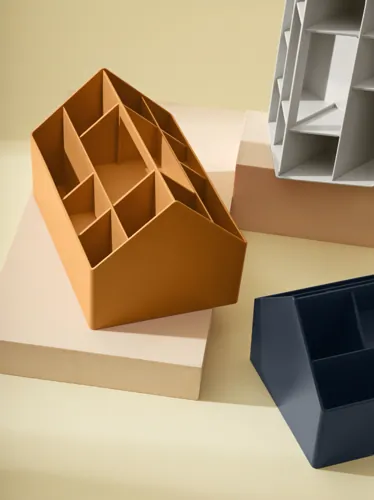
${ product.name }
${ product.typeTitle }
Item no ${ product.sku }
- ${ setting }
- ${ product.variantName}
inside with Cassi Namoda
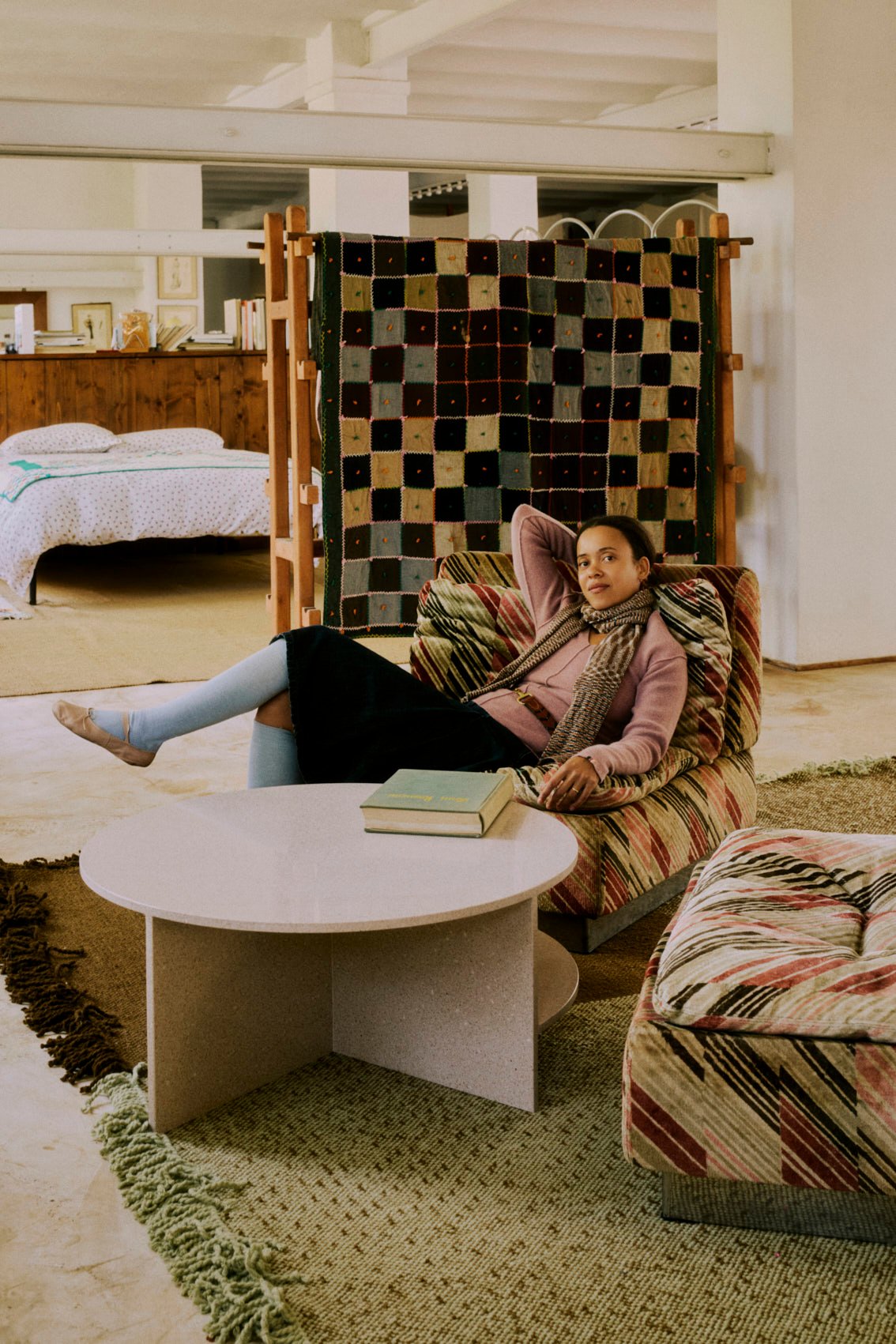
Painter Cassi Namoda was born in Maputo, Mozambique, and grew up between Kenya, Indonesia, Haiti, Benin, Uganda and the United States. Today she has settled in Biella, at the foot of the Italian Alps, in a house that has lived many lives before hers. She shares it with her husband Yousef, their daughter Arafah and their black cat Saleem, with her studio under the same roof. The rooms are filled with paintings, handmade textiles, books and objects that have followed her from place to place, alongside Arafah's wooden blocks and little worktables.
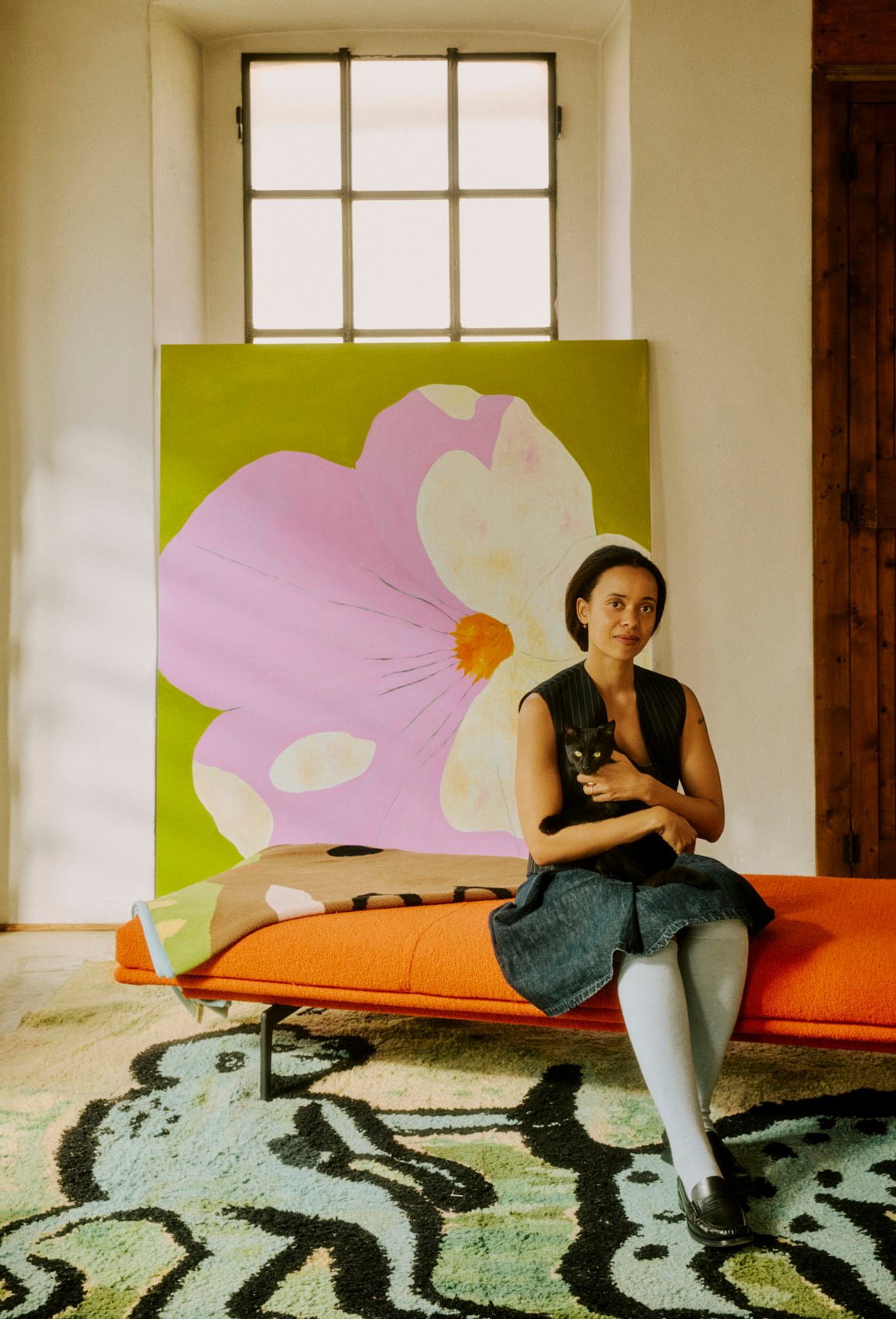
Tell us a little about yourself. How has living in so many parts of the world shaped who you are?
I grew up moving between very different worlds, and I think that gives you a particular sensitivity to place and to people. I was always observing. Nature was my first education in beauty; later came cinema, photography and storytelling, and eventually painting became the language that brought it all together.
My work is deeply connected to Mozambique, its histories and the everyday poetry of its people, but also to love, longing, memory, and the strange beauty of being alive. We carry different geographies within us, and painting lets me explore those layers without needing to resolve them.
What drew you to Biella, and how would you describe the atmosphere of your home?
The studio and the home are housed in a beautiful 200-year-old former leather factory, so the building has a rich industrial history and retains much of its original character and charm. The architecture reflects the region’s industrial heritage, and the space has a wonderful connection to Biella’s long tradition of craftsmanship and textile production.
I love the idea of living somewhere that has already had so many lives before ours. There is a spirituality to the architecture and a sense of time that I find very comforting, and with the Alps so close, the quiet here is incredibly restorative.
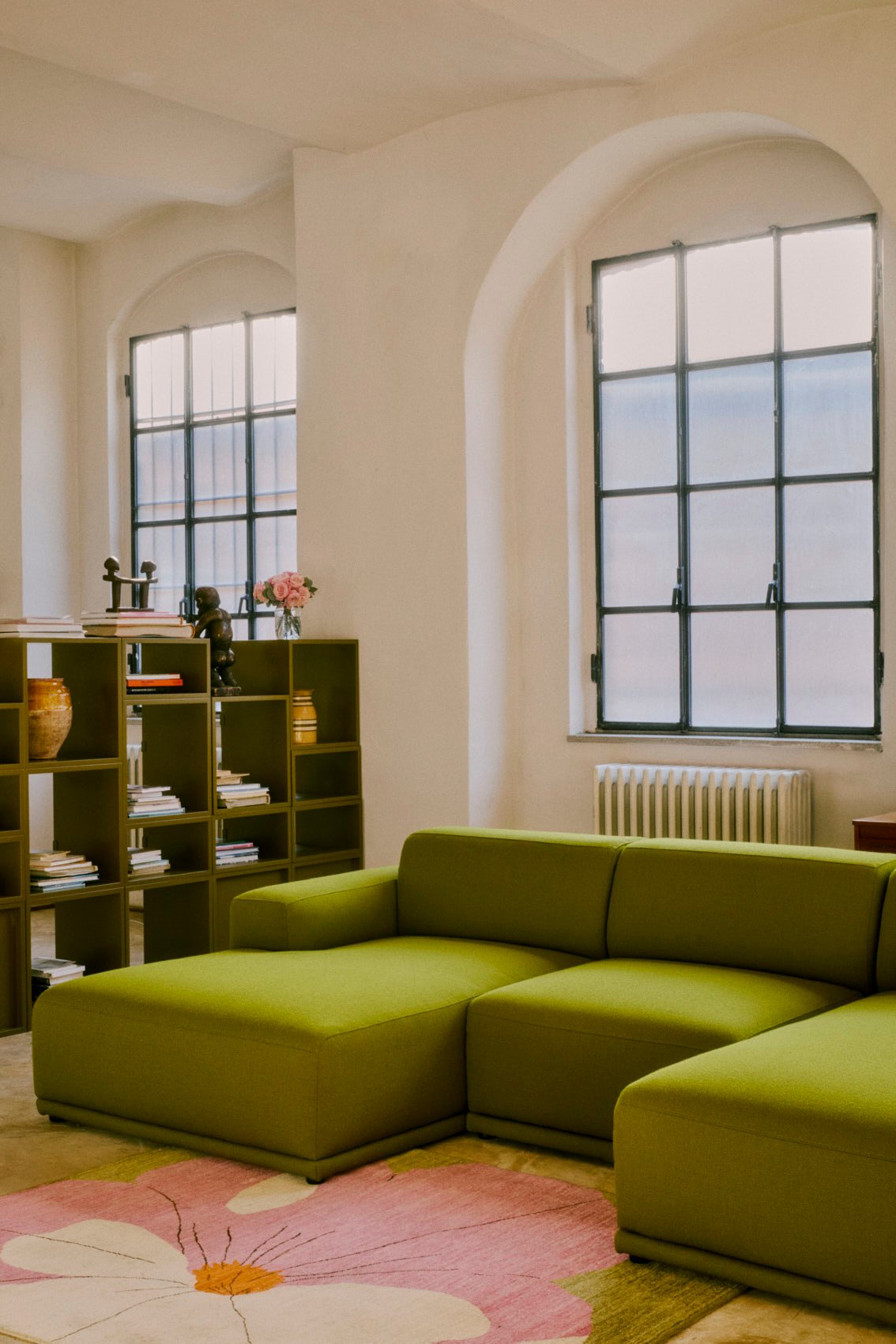
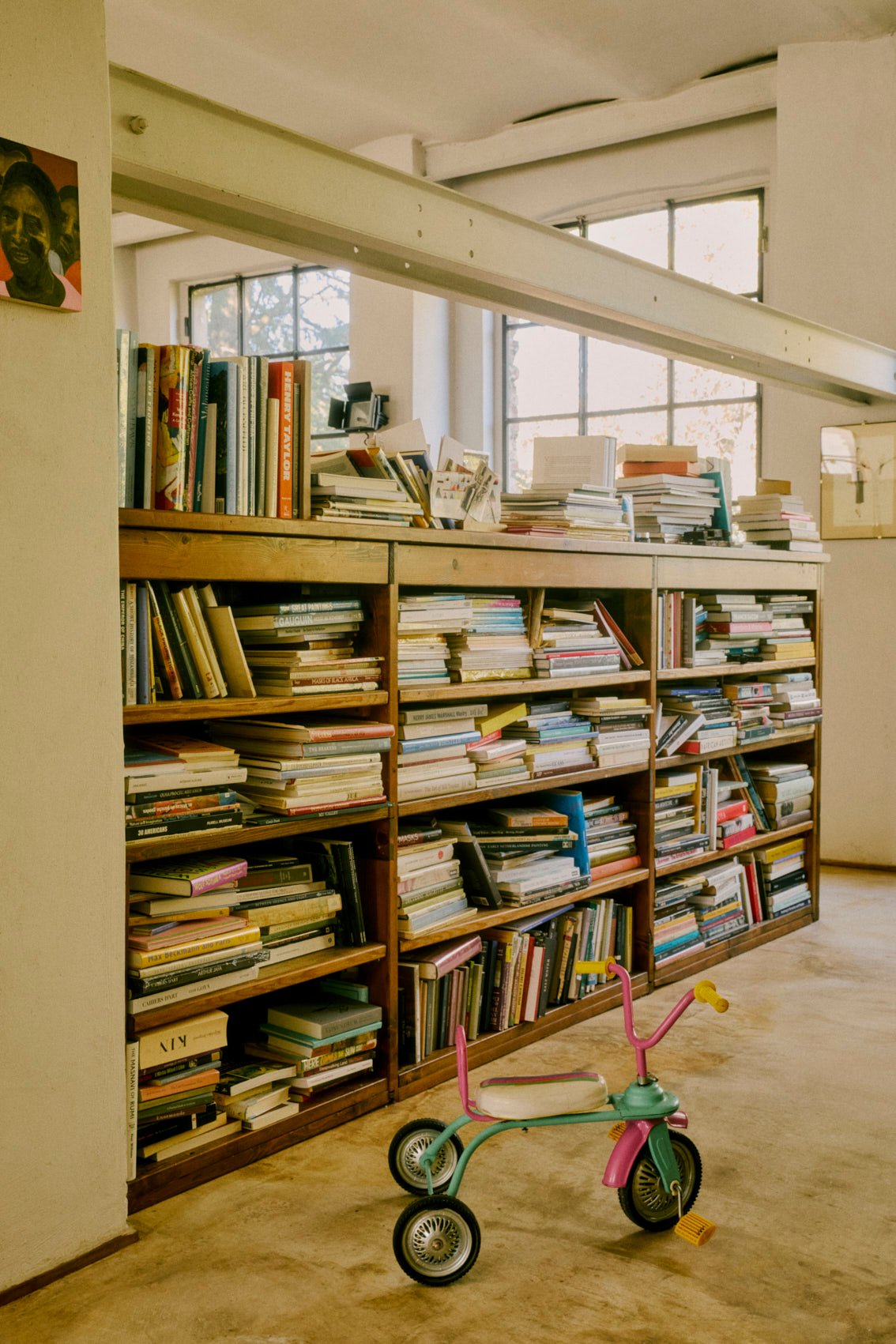
Our home is quite uncomplicated, filled with paintings, textiles, books and objects that have followed me through different chapters of my life. Since becoming a mother, I've become less concerned with how a space looks and more interested in how it feels to inhabit it.
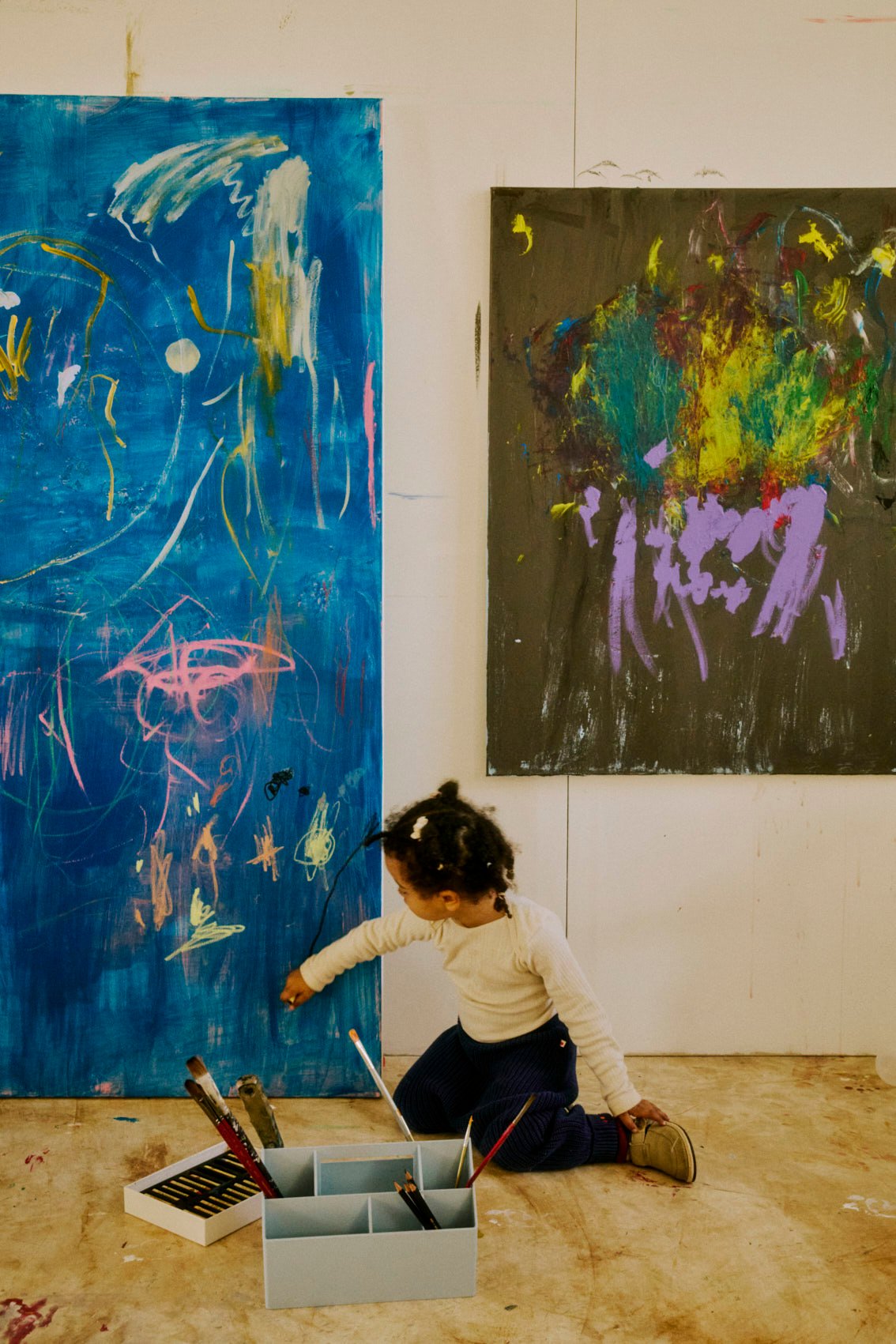
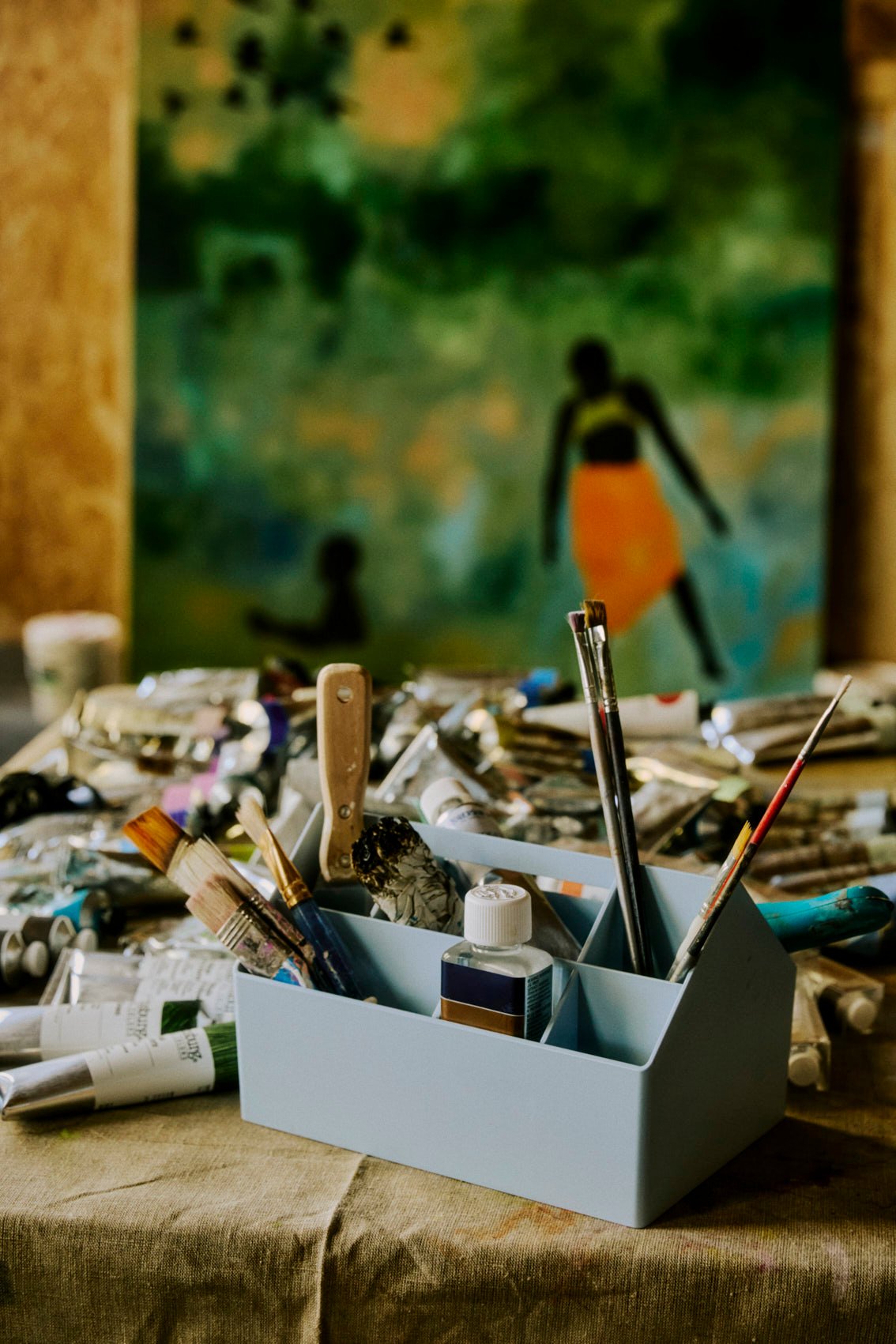
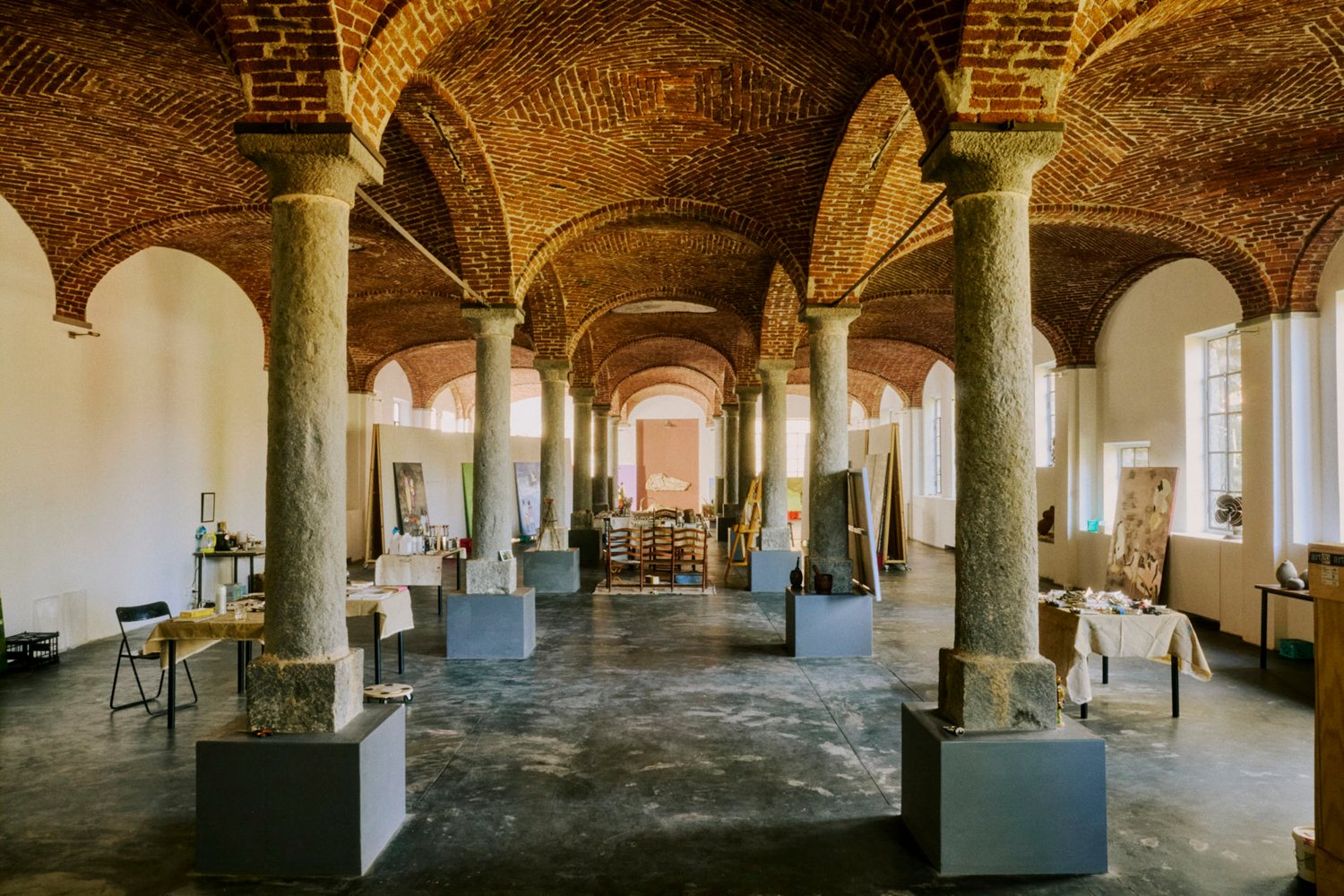
"I love the idea of home being like a blanket — something that holds you, something you can return to."Cassi Namoda
What does home mean to you, and has that changed over time?
Because I moved around so much, home used to exist in memories, in rituals, in the people I loved and the objects I carried with me. Motherhood has changed that profoundly. Now home is a place of protection, softness and belonging, somewhere my daughter can feel safe and free to discover the world at her own pace.
Your paintings explore memory, identity and everyday moments. How do those themes, and your surroundings, shape the way you live and create?
I think a home is, in many ways, a kind of self-portrait. The objects we choose and the colors we're drawn to reveal who we are and where we've been. Domestic life is full of moments that seem ordinary but carry emotional weight: a table after breakfast, the light coming through a window, a child playing on the floor.
I'm also very sensitive to light and color. Since moving to Italy, the light, the mountains and the changing seasons have entered my paintings, and Biella has given me a solitude that feels very necessary to my practice. Even the simplest things — flowers on a table, the changing colors of the trees — feel inspiring. And since becoming a mother, I've rediscovered nature through my daughter's eyes. The excitement she finds in a bird or a leaf reminds me how extraordinary the ordinary world really is.
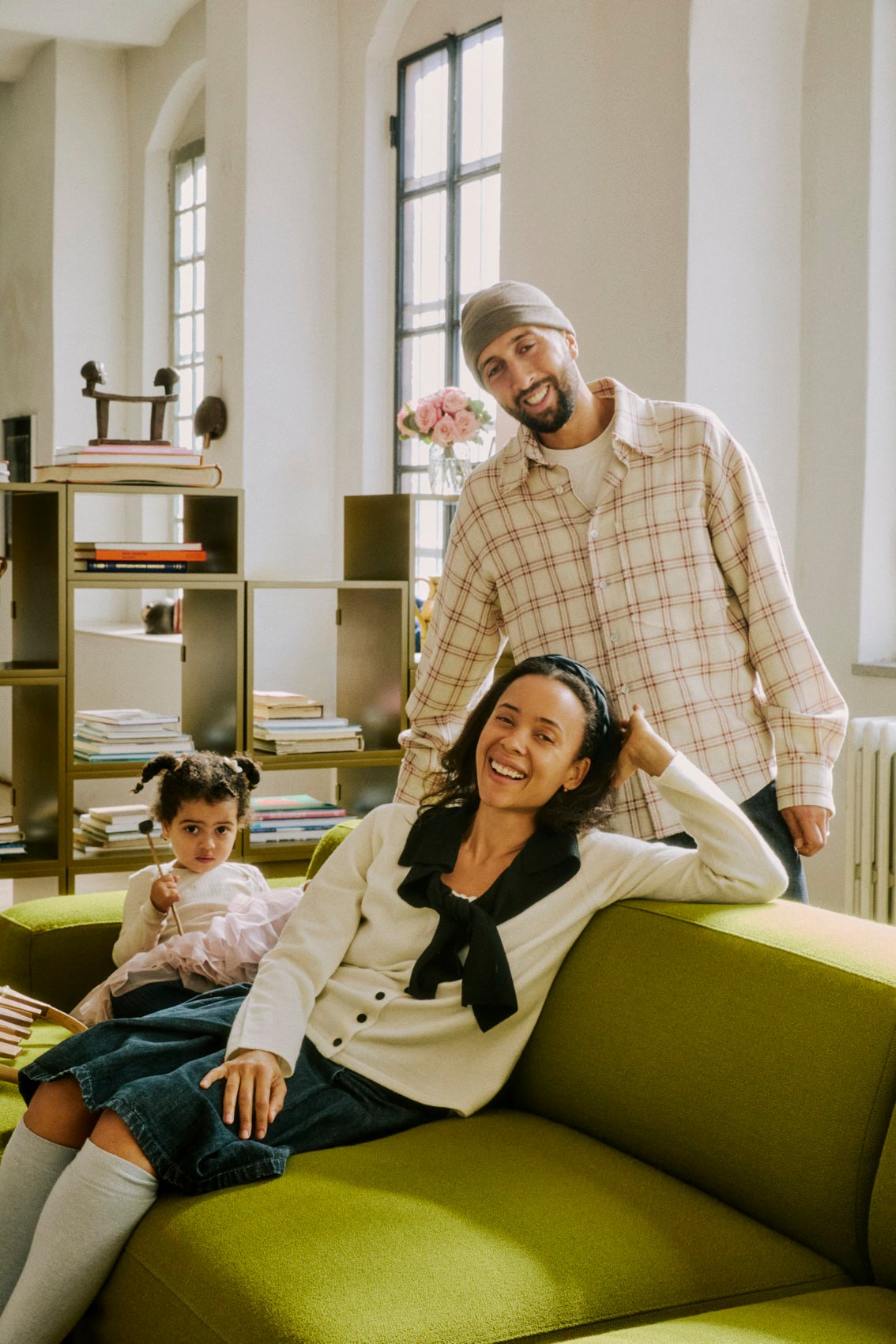
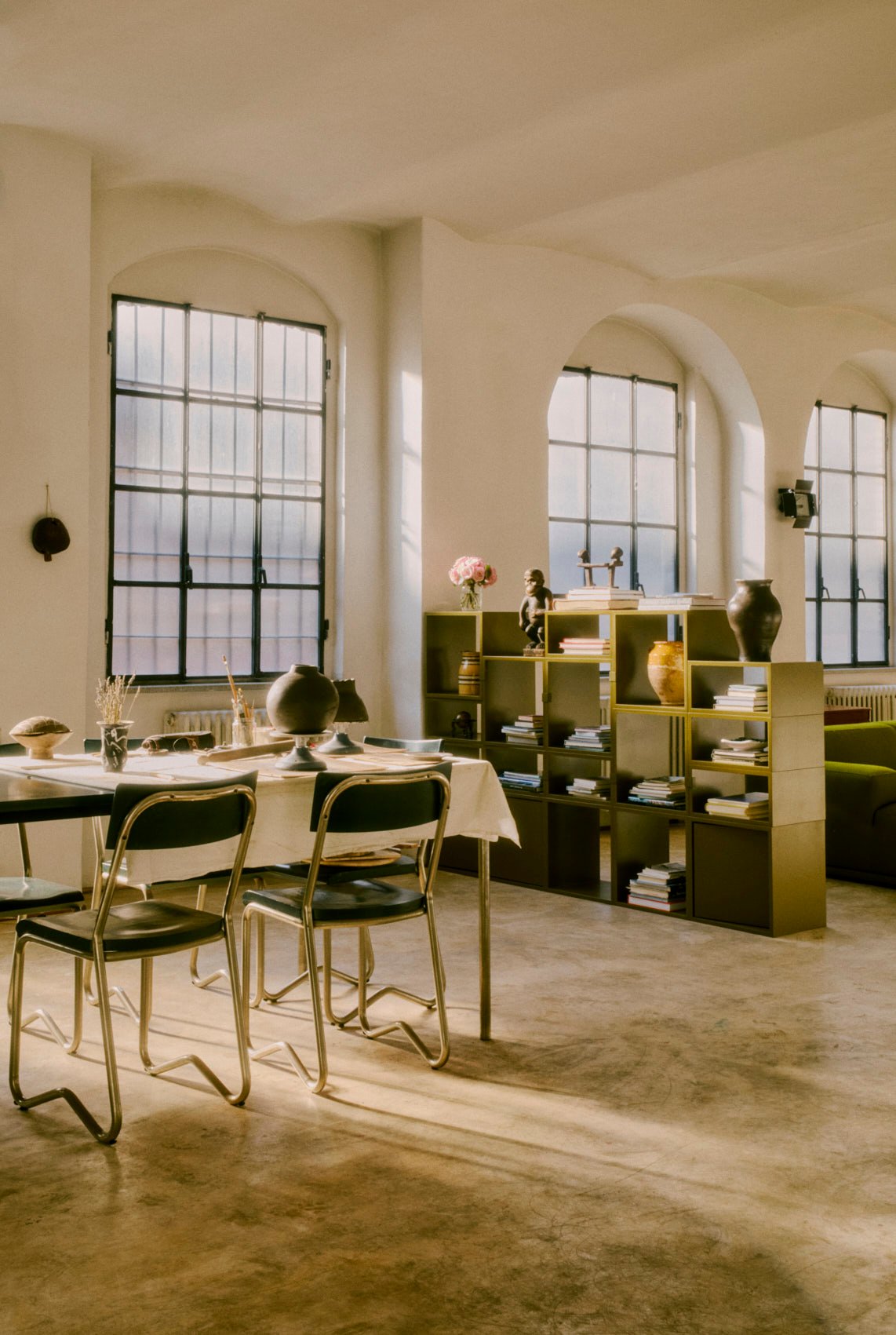
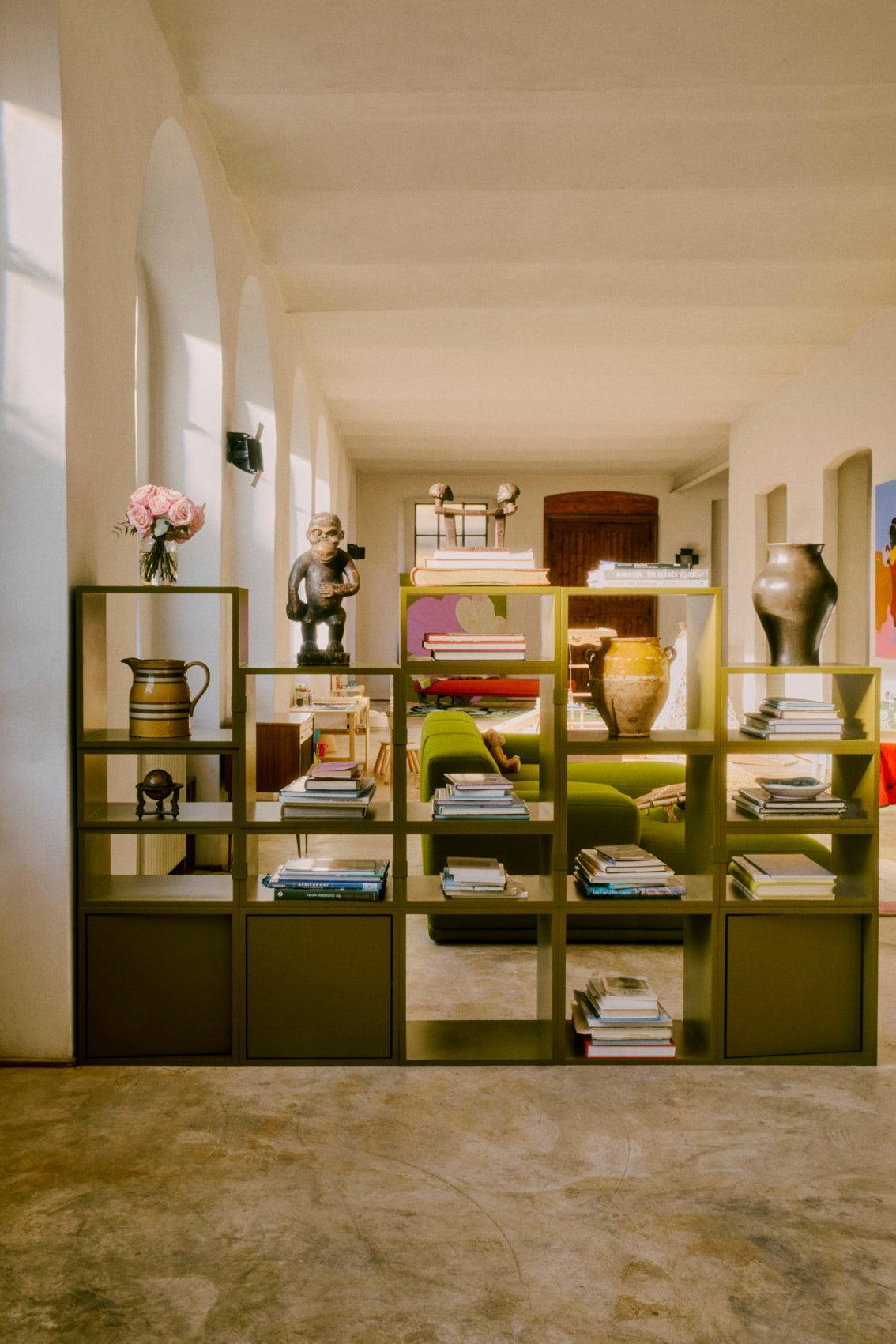
"I don't want my home to feel overly composed. I want it to have a sense of life, of spontaneity, and perhaps even a little disorder. That's where the poetry is."Cassi Namoda
How do art and the pieces you live with find their place in your home?
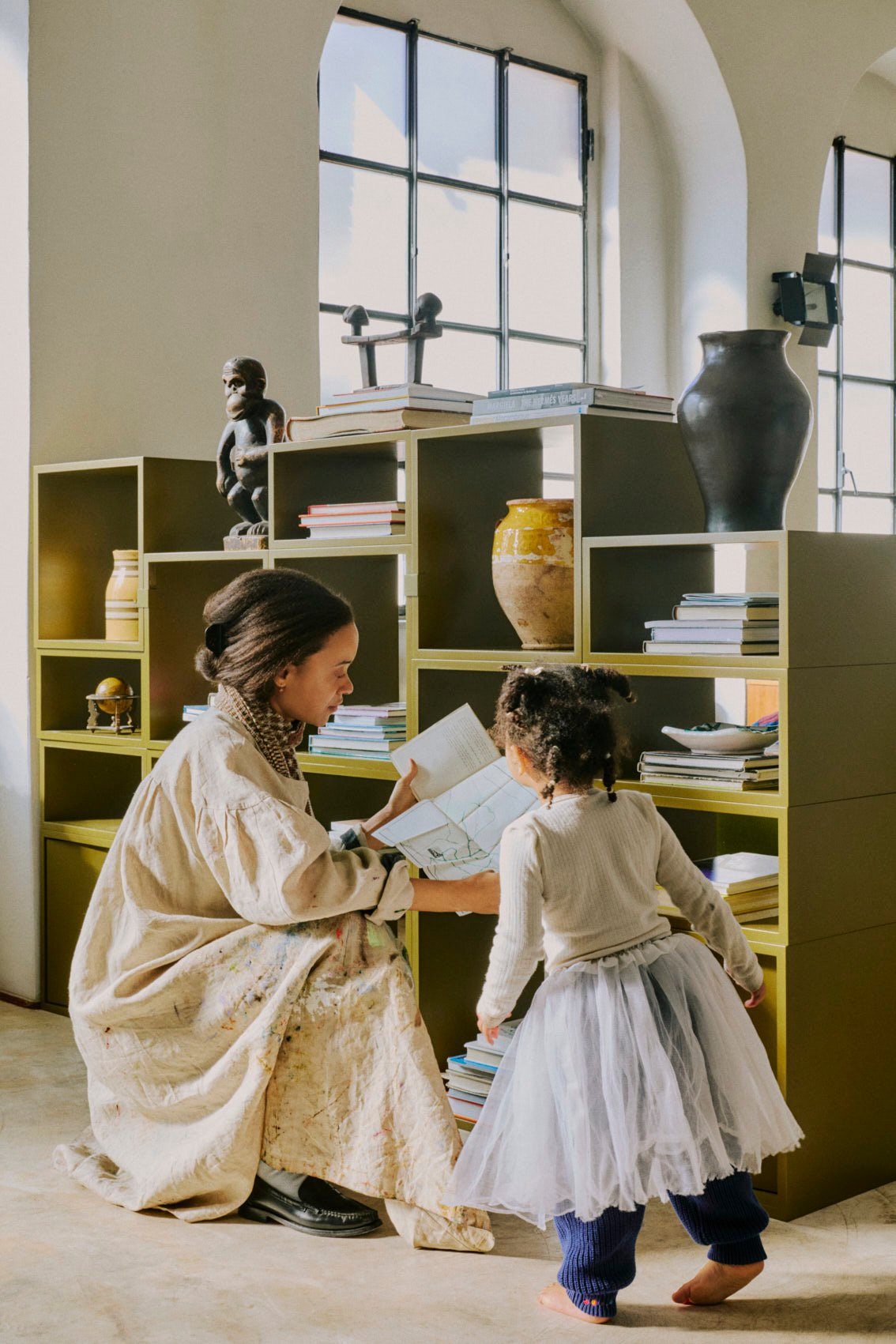
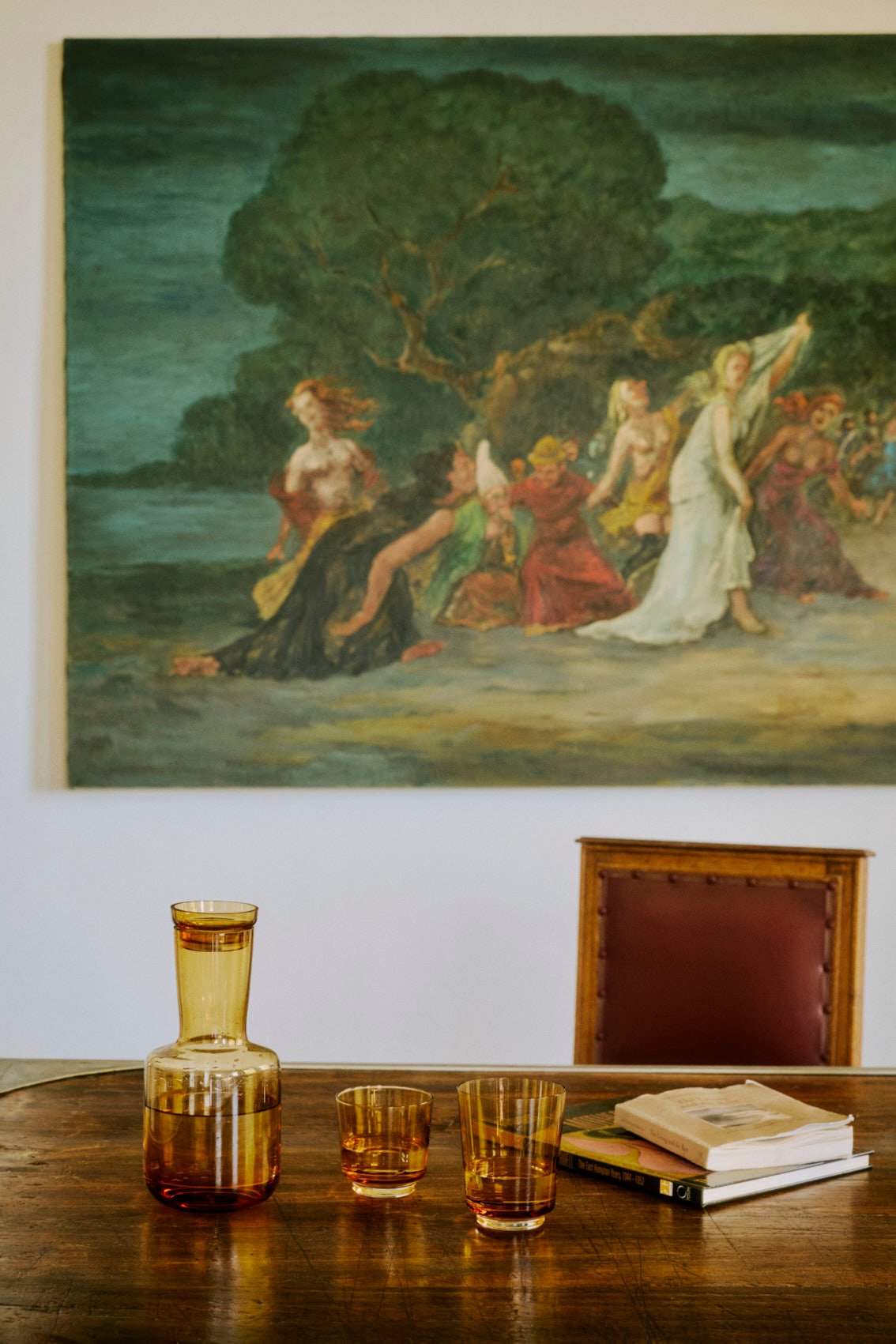
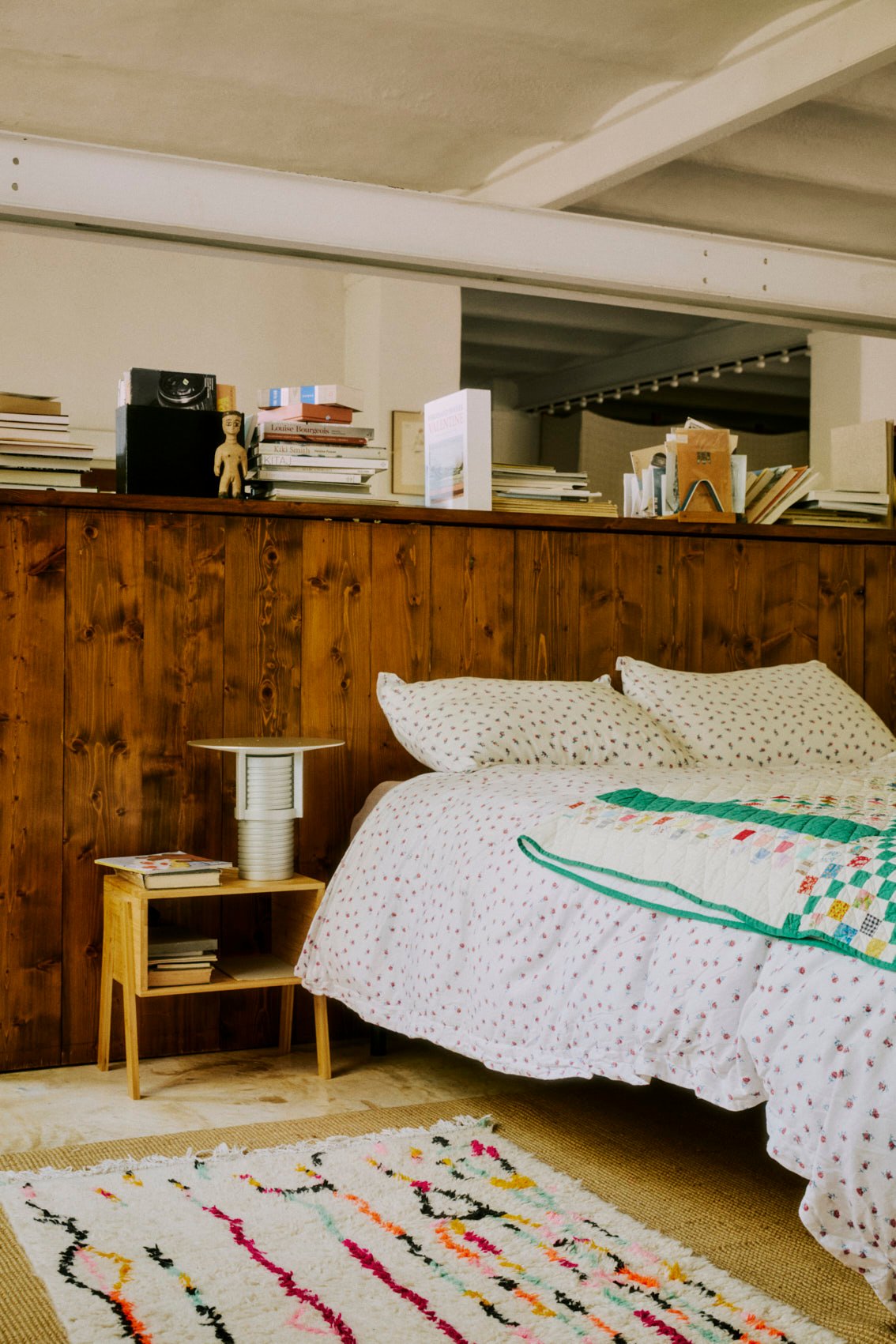
I don't really separate art from life. I've collected paintings over the years, alongside objects and textiles from places I've lived or traveled to, and I'm particularly drawn to things made by hand — the imperfections, the feeling that someone has spent time making something. I don't think of my home as a gallery. A painting beside a textile, a book left open, flowers on a table: these little arrangements happen almost unconsciously.
Since becoming a mother, that has evolved in a lovely way. Arafah's little worktables and wooden blocks have become part of the beauty of our home, and there's something very poetic about seeing her little world exist alongside our paintings. A home should reflect everyone who lives in it.
Your studio and home share the same roof. How does that shape your everyday life?
Painting has never really existed separately from life, and having the studio connected to our home lets those two worlds speak to one another. Motherhood has changed my relationship with time. I used to paint late into the night; now my days have a different rhythm. It's a beautiful dance between two worlds, and I find that more interesting and more compelling.
What does a typical day look like?
I love the mornings: opening all the windows, letting the fresh air in, and reading with Arafah before breakfast. Then I spend as much time in the studio as I can. I also enjoy the small domestic rituals — choosing flowers, preparing something to eat, working on my library. These are creative gestures in their own way, and I'm learning that sometimes simply being present is enough.
Where do you come together as a family?
Our home really revolves around Arafah at the moment; we're all rediscovering the world through her. Yousef and I love the simple moments: breakfast together around the dining table, time outdoors, and most of all just talking.
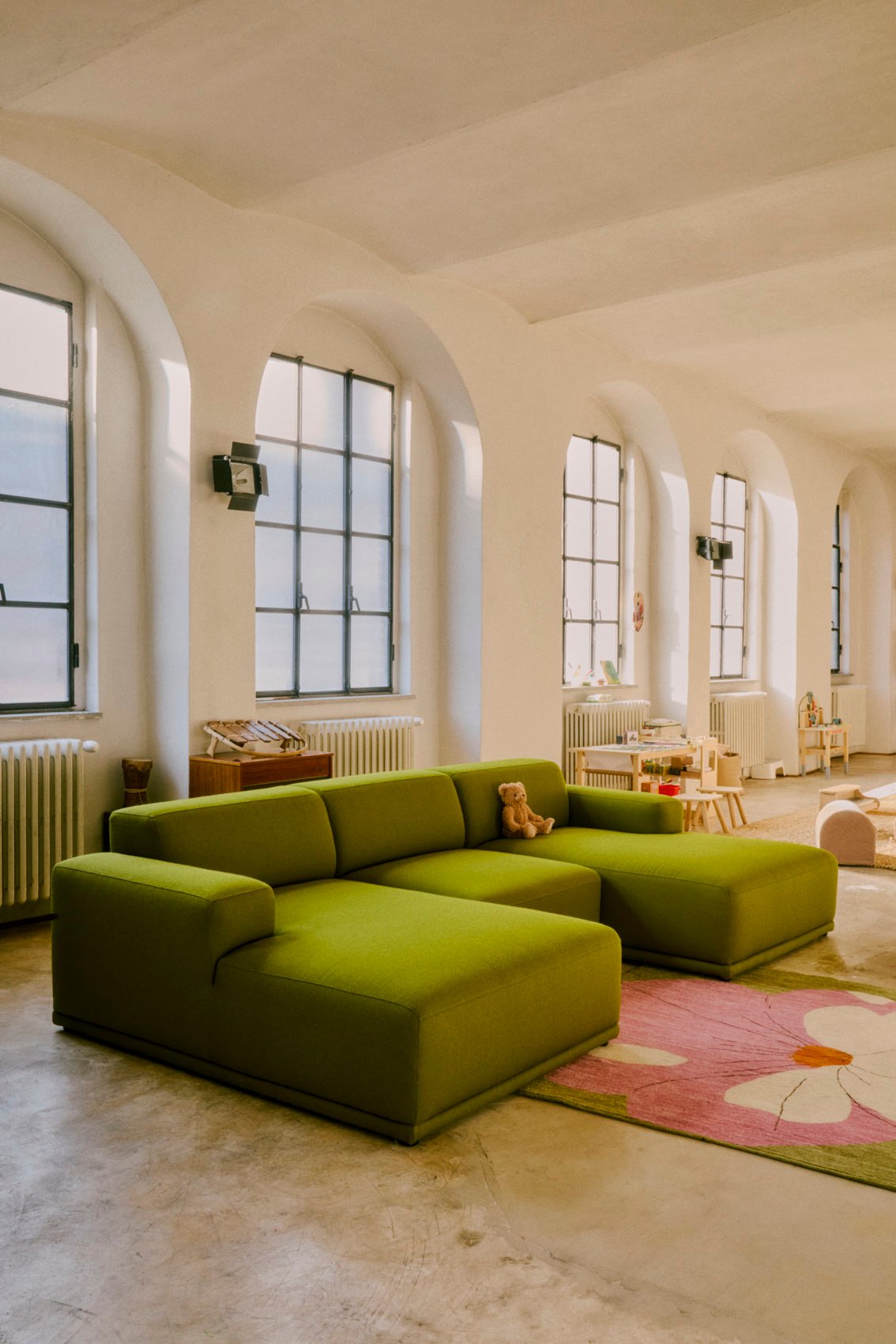
The sofa is one of those places where life naturally happens. We sit together, read books, have conversations, or sometimes do absolutely nothing except watch Saleem and Arafah compete over whose lap they get to sit on. A sofa should invite you to stay. It should be comfortable and generous, part of the family's daily life rather than simply an object to look at. I'm drawn to furniture that feels beautiful but also lets you live freely around it: a child curling up beside you, the cat finding its favorite spot, the afternoon light moving across the room.
"These are the moments I think we'll remember. Not the grand occasions, but the quiet, ordinary ones that make a house feel like home."Cassi Namoda
${contentData.items}